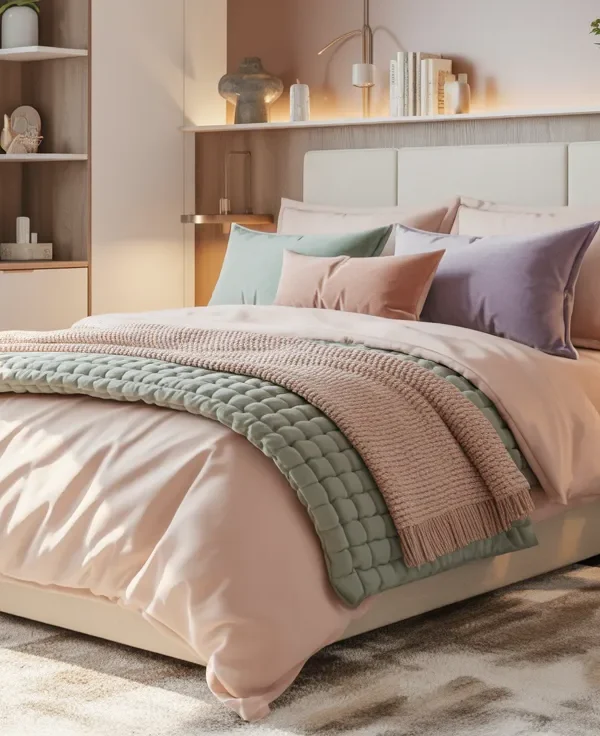

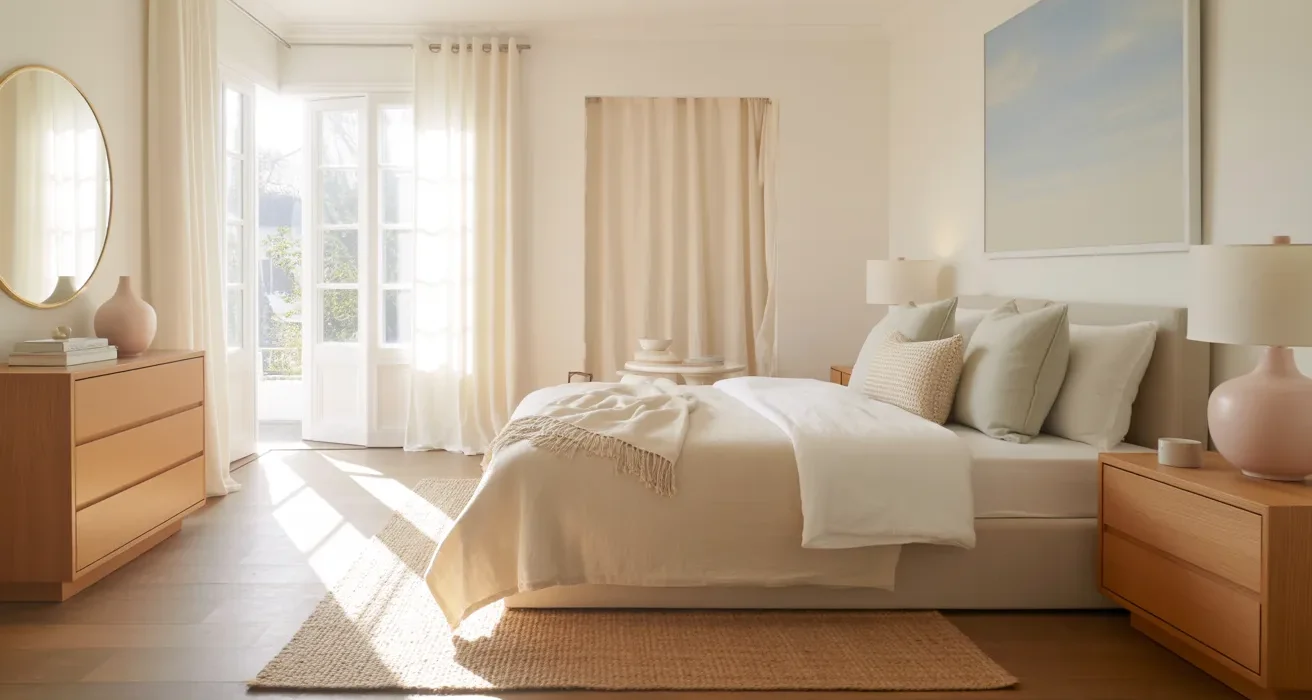
Small bedrooms can feel cute and cozy, or they can feel like the walls are slowly leaning in to judge you. Most of the time, color makes the biggest difference. I have seen tiny bedrooms go from dull and cramped to bright and breathable just by changing the wall color. No fancy renovation. No dramatic budget. Just smarter color choices.
That is why I love working with bright bedroom colors in small spaces. The right shade can reflect light, soften the edges of the room, and make everything feel more open. If your bedroom feels tight, gloomy, or a little too cave-like, paint can fix more than people think. Ever walk into a tiny room that somehow still feels airy and calm? Usually, the color palette did a lot of the heavy lifting.
In this guide, I am sharing 22 bright bedroom color ideas for small rooms that open up. These shades look fresh, practical, and easy to live with. Some feel warm and cozy. Some feel crisp and airy. All of them can help a small bedroom feel bigger, lighter, and a lot more inviting.
1. Soft Warm White
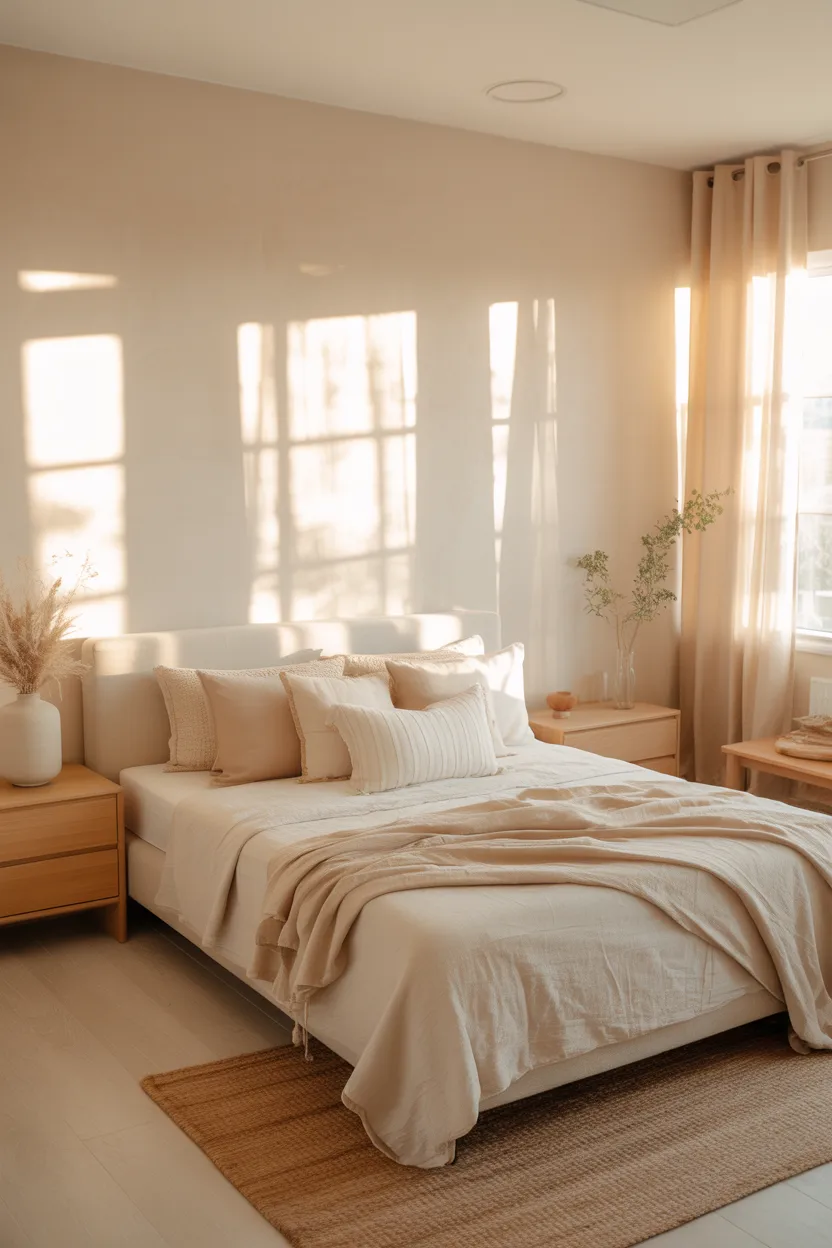
Soft warm white is one of the safest and smartest choices for a small bedroom. It brightens the room instantly, but it still feels comfortable and lived in. Unlike stark white, it does not make the space feel cold or overly sharp. It gives you that airy look without making the room feel like a blank box.
I always recommend soft warm white when someone wants a bedroom that feels open but still restful. It works beautifully with beige bedding, natural wood furniture, woven textures, and warm lighting. In a tiny room, that combination can feel calm and polished without trying too hard.
This shade also makes decorating easier. You can switch your bedding, curtains, rugs, and art whenever you want, and the walls will still work with everything. That flexibility matters if you like changing up your room without repainting every five minutes.
Why it works
- Reflects a lot of light
- Makes the room feel bigger
- Keeps the space warm instead of harsh
- Works with almost every bedroom style
If you want the easiest win on this list, this is it.
Also Read: 21 Teen Girl Bedroom Color Ideas That Feel Cute and Stylish
2. Creamy Ivory
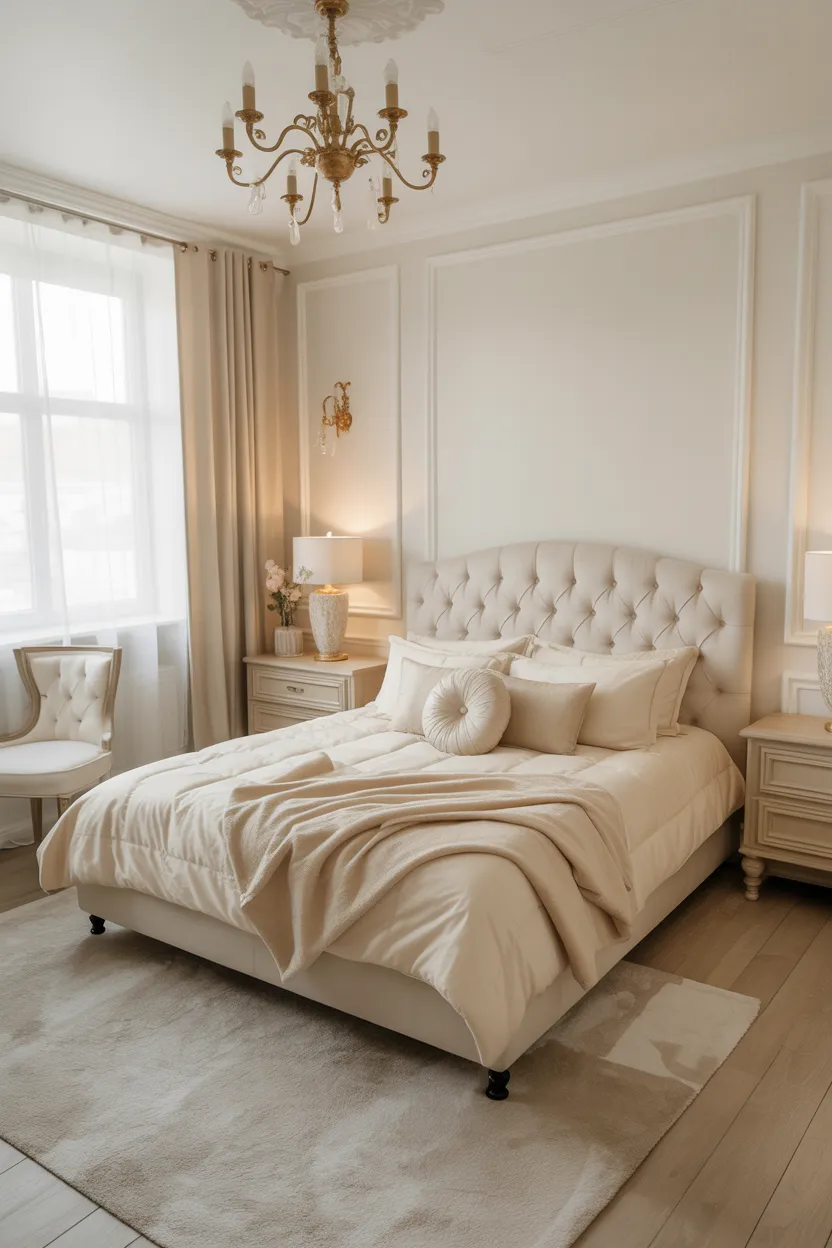
Creamy ivory adds brightness with a richer, softer feel than plain white. It has that gentle warmth that makes a small bedroom feel welcoming the second you walk in. It still opens up the room, but it also adds a quiet elegance that feels a little more styled.
This color works especially well in bedrooms that do not get much sunlight. In dim spaces, bright white can sometimes look too sharp or flat. Creamy ivory solves that problem by giving the walls a soft glow. It feels clean, but it also feels cozy.
I love creamy ivory with layered neutral bedding, brushed gold accents, and soft curtains that let light filter through. The result looks bright and expensive in that calm, understated way. Not flashy. Just really pretty.
If your goal is a bedroom that feels warm, light, and easy to relax in, creamy ivory gives you brightness without losing softness.
3. Pale Sky Blue
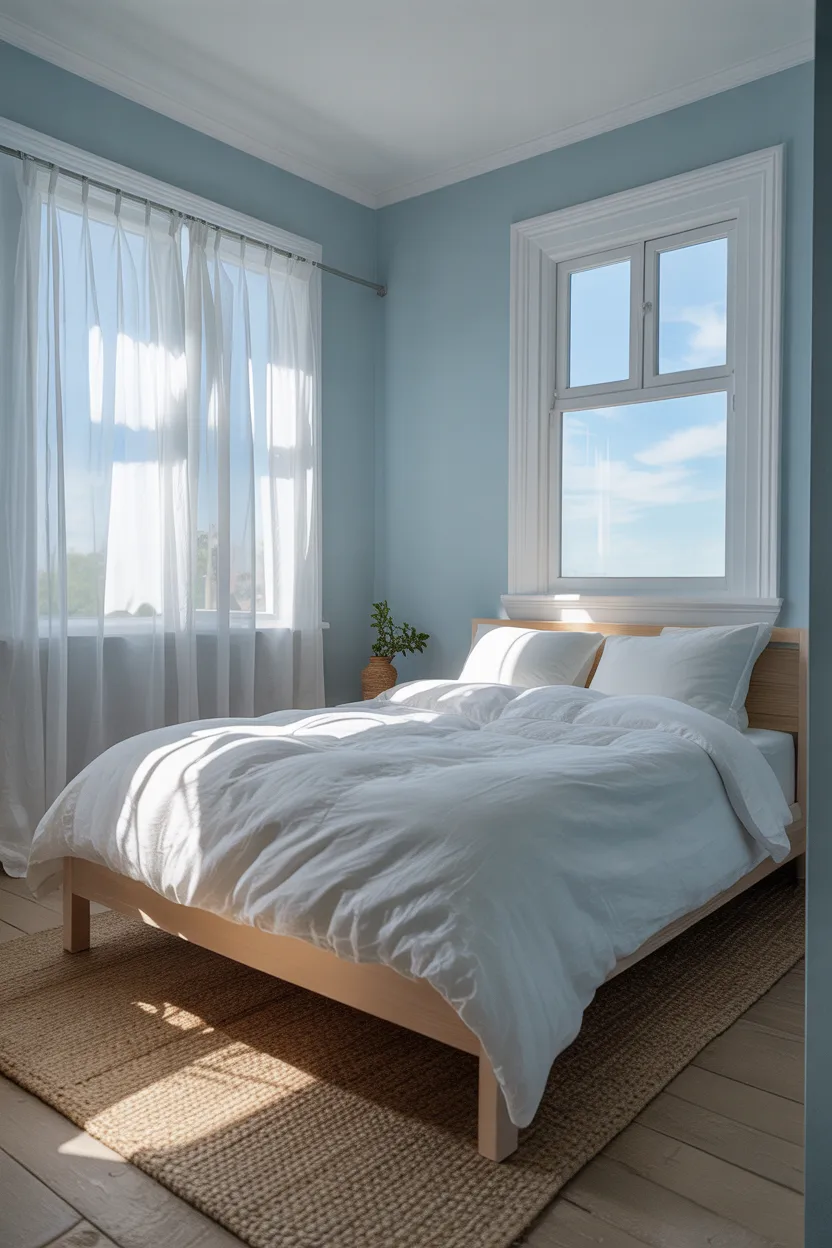
Pale sky blue can make a tiny bedroom feel open in a way that almost tricks your brain. Maybe that sounds dramatic, but it is true. Light blue reminds people of open sky and fresh air, so it naturally gives a room a more spacious feeling.
This color works best when it stays soft and slightly muted. You want a whisper of blue, not a loud cartoon cloud situation. In a small room, pale sky blue can feel soothing during the day and peaceful at night, which makes it a great bedroom choice.
I especially like it in bedrooms with white trim, white bedding, and a few natural textures like a jute rug or light wood nightstand. That combo keeps the room bright without making it feel cold. Ever notice how some small rooms instantly feel easier to breathe in? This shade does that.
Pale sky blue helps expand the room visually while creating a calm, airy mood.
Also Read: 24 Black Furniture Living Room Ideas That Look Bold and Chic
4. Misty Aqua
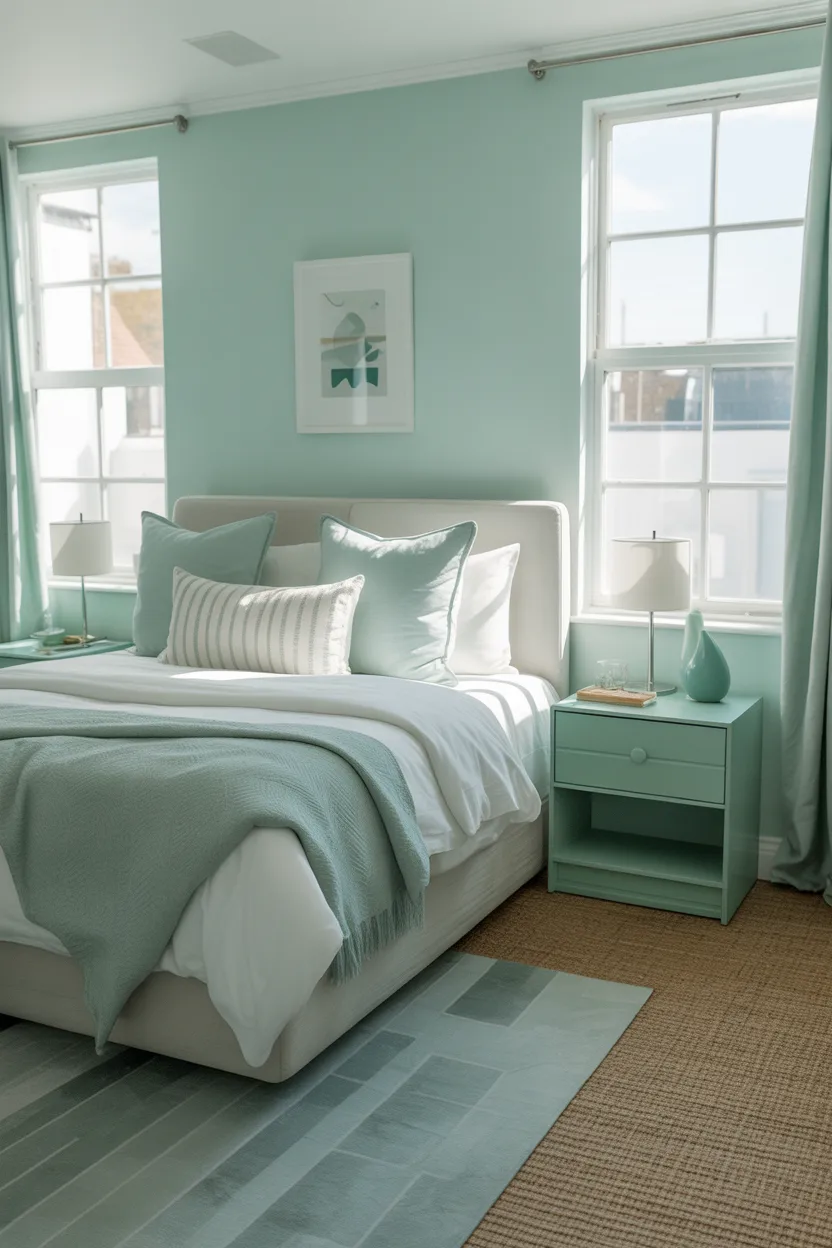
Misty aqua sits somewhere between blue and green, and that mix gives it a fresh, light look that feels perfect for a small bedroom. It has more personality than white or beige, but it still keeps the room open and bright.
This shade feels cheerful without getting too playful. It wakes up the room just enough, which makes it a great choice if your current bedroom feels dull or flat. In a tiny room, that soft watery tone can make everything feel lighter and more relaxed.
I like misty aqua with crisp white bedding and simple decor. It does not need much help. A few clean lines, some soft textiles, and a decent lamp can make the whole room feel pulled together. Honestly, that is ideal because not every room needs fifteen decorative objects staring at you from every corner.
Misty aqua adds freshness and light while helping a small bedroom feel less confined.
5. Light Sage Green
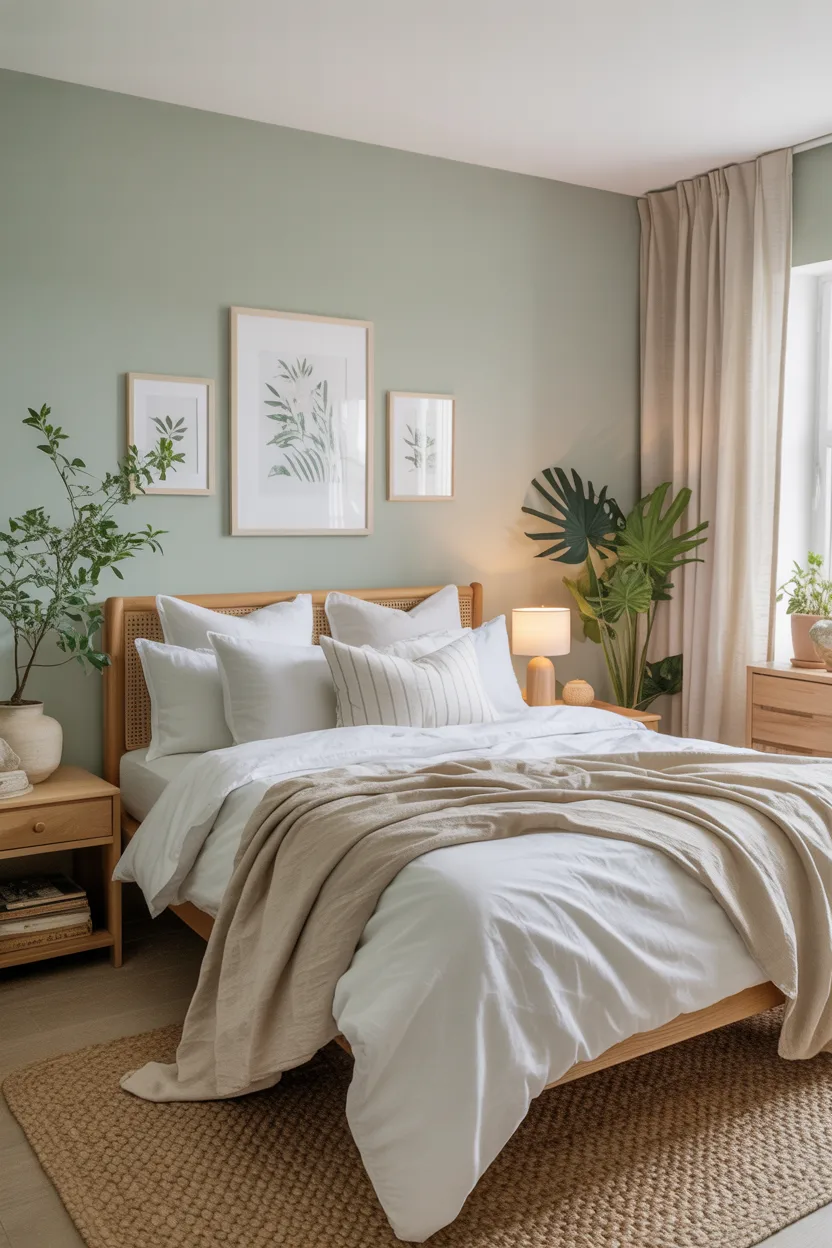
Light sage green feels calm, grounded, and quietly beautiful. It brings in color, but it does it in a gentle way that does not overwhelm a small room. That makes it perfect for anyone who wants a brighter bedroom without going full white.
Sage works especially well when you want a bedroom that feels peaceful and slightly organic. It has that soft natural vibe that pairs beautifully with wood furniture, cream textiles, and plants. Even one small plant on a bedside table looks more intentional with sage walls behind it.
I love this shade because it feels trendy without being annoying about it. Some colors look great for six months and then feel dated. Sage has more staying power. It feels fresh, soft, and very easy to live with.
Best pairings for sage
- White or cream bedding
- Light oak or pine furniture
- Linen curtains
- Woven baskets
- Simple warm metallic accents
Light sage green brightens a room while keeping it soft, restful, and spacious.
Also Read: 23 Orange Couch Living Room Makeover Ideas That Pop
6. Pale Mint
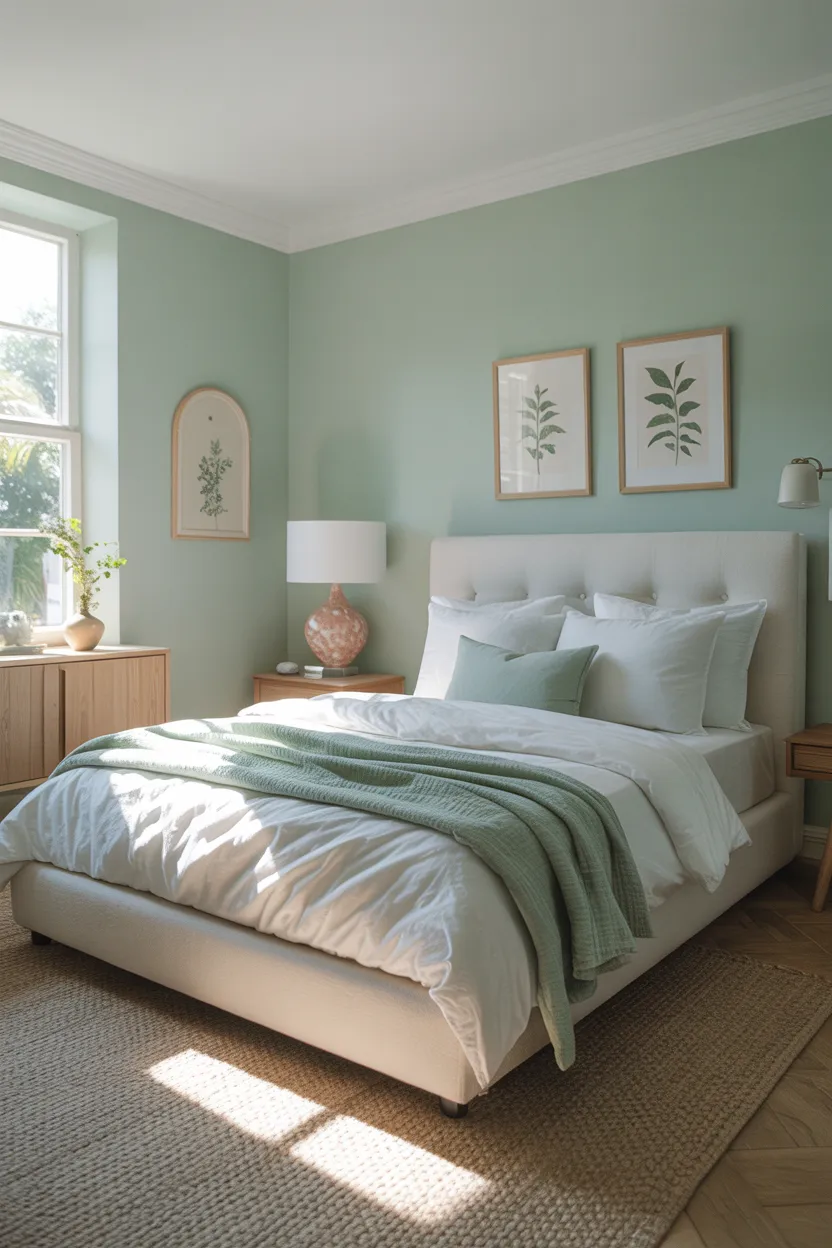
Pale mint gives a small bedroom a crisp, fresh feeling that instantly wakes up the space. It feels light and bright, but it also has a playful charm that keeps the room from looking too plain.
This color works really well if you want something cheerful that still looks grown up. That balance matters. Too sweet, and the room feels childish. Too dull, and the room feels forgettable. Pale mint lands nicely in the middle.
I would use this shade in a small bedroom with white bedding, slim furniture, and simple decor. It looks best when the room stays light and uncluttered. The mint then acts like a soft burst of freshness instead of fighting for attention.
Pale mint reflects light beautifully and makes a small bedroom feel more lively and open. It is one of those colors people overlook, then end up loving once they actually see it on the wall.
7. Blush Pink
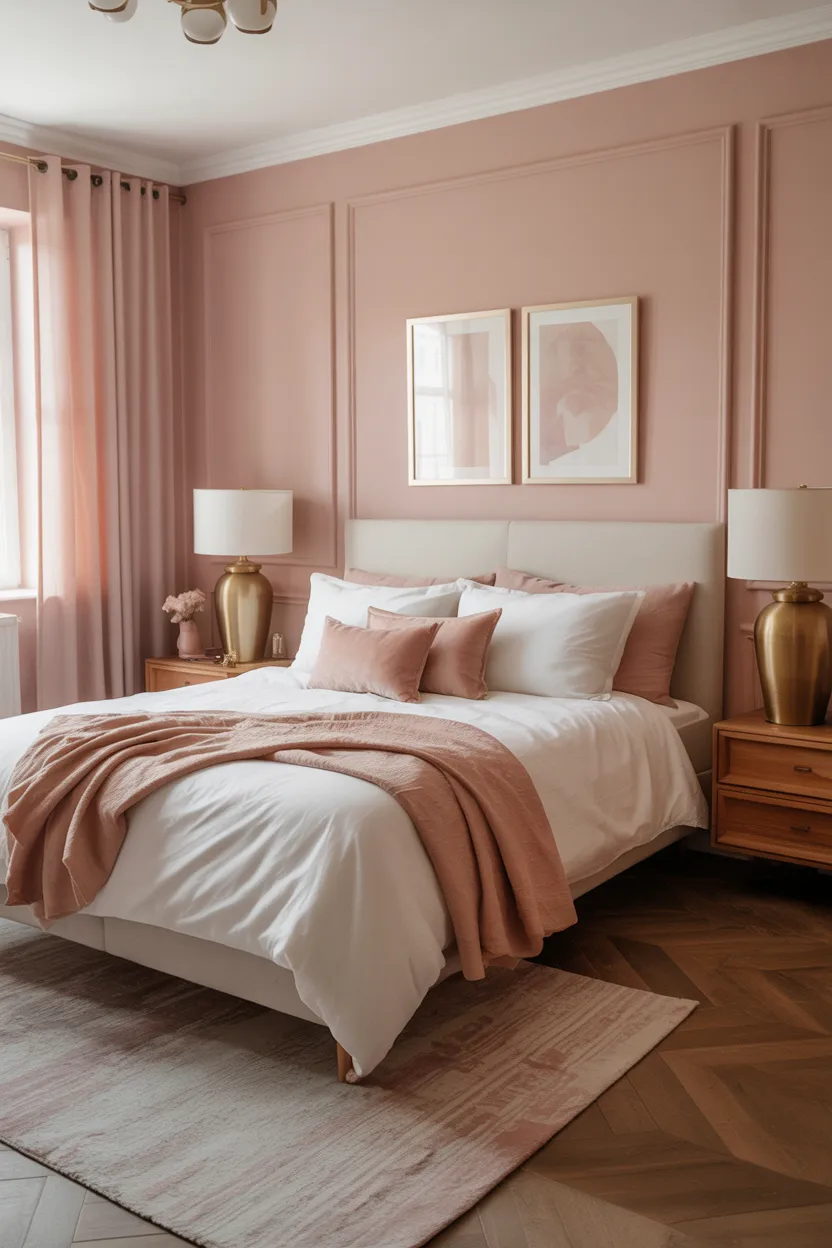
Blush pink can look surprisingly sophisticated in a small bedroom. A lot of people hear pink and immediately panic, which is honestly a little unfair. A muted blush does not scream for attention. It just gives the room warmth, softness, and a flattering glow.
This shade works especially well if you want the room to feel cozy without looking dark. It catches light gently and gives the walls a warm, airy look. In a tight bedroom, that kind of softness can make the space feel much more inviting.
I like blush pink with ivory bedding, natural wood, and simple brass details. It creates a subtle layered look that feels pretty without becoming overly precious. You can also style it in a modern way with black accents if you want a little contrast.
Blush pink adds warmth and brightness while helping a small bedroom feel calm and open.
8. Peachy Nude
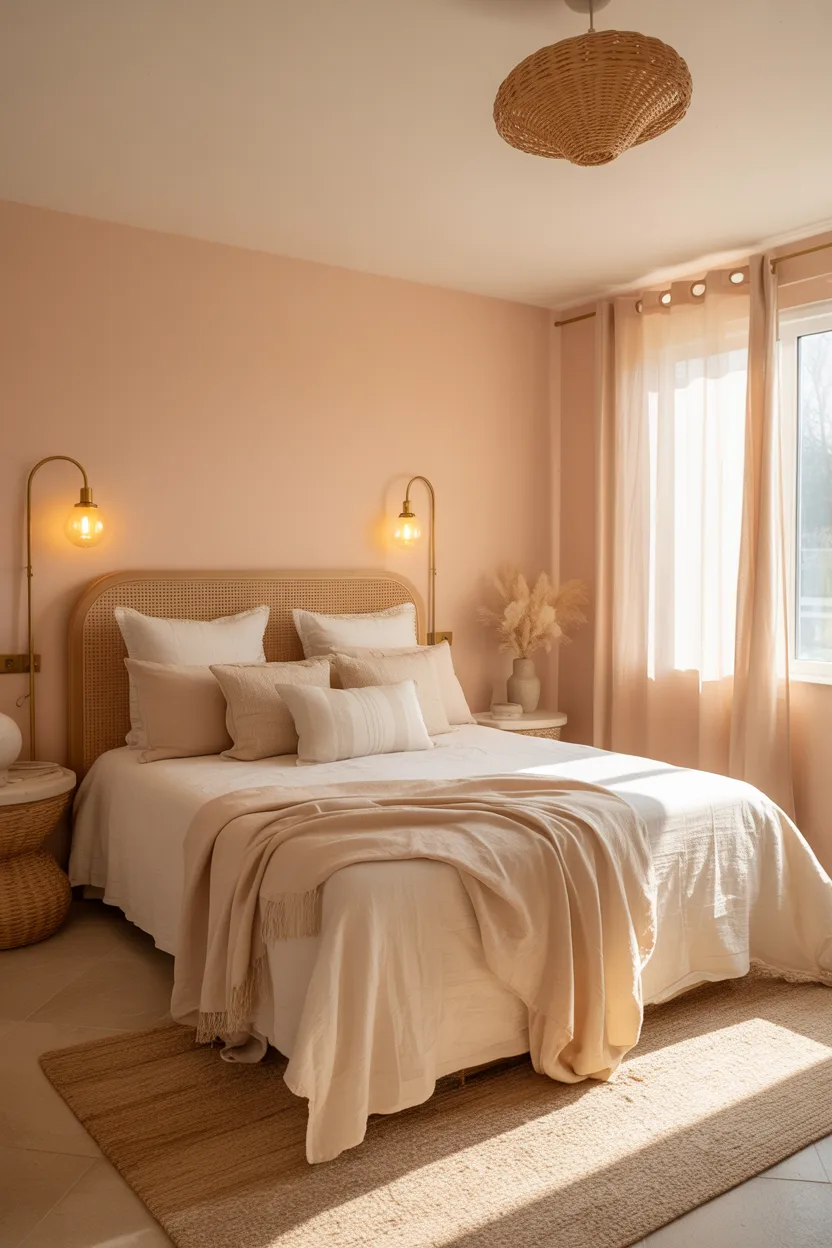
Peachy nude brings warmth into a small bedroom without weighing it down. It feels bright, soft, and slightly sunlit, which makes it a great choice for anyone who wants something warmer than white but lighter than a traditional beige.
This color has a friendly feel to it. It makes the room feel welcoming right away, especially in the morning light. In a small space, that subtle warmth keeps things from feeling flat or boring. And yes, boring walls absolutely affect the vibe more than people like to admit.
I think peachy nude looks beautiful with off white bedding, warm lamps, woven accents, and soft cream curtains. It gives the room a cozy glow without making it feel closed in. That is a pretty sweet deal for one paint color 🙂
Peachy nude creates warmth, softness, and an open feel that works beautifully in compact bedrooms.
9. Pale Butter Yellow
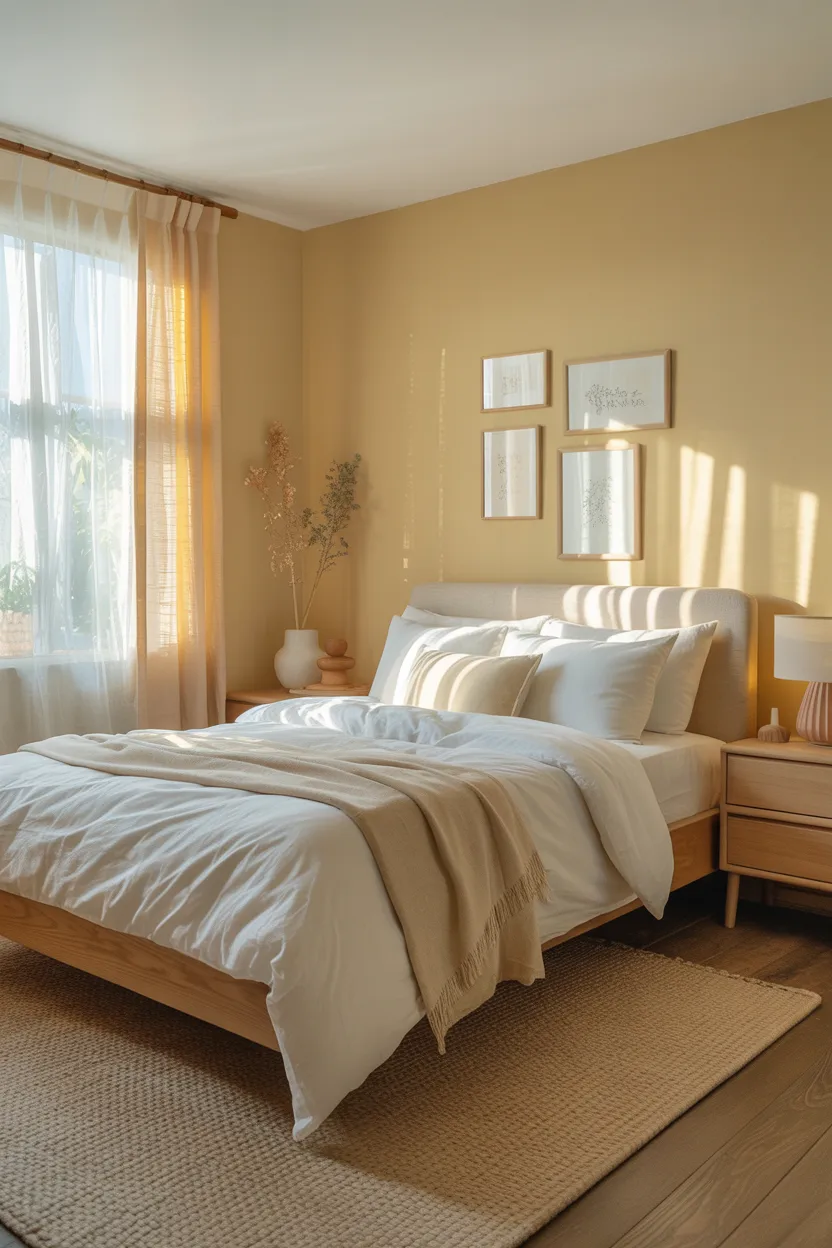
Pale butter yellow can bring a gentle sunny feeling into a small bedroom. It brightens dark corners, warms up the space, and makes the room feel more cheerful without looking loud.
The key here is staying pale and creamy. You want soft butter, not highlighter chaos. In the right tone, yellow can feel subtle, happy, and very easy to live with. It adds a little personality while still helping the room feel larger.
I really like pale butter yellow in small rooms that do not get much natural light. It can mimic that soft daylight warmth and make the whole room feel less gloomy. Paired with white bedding and light wood furniture, it looks bright and welcoming.
Why people love butter yellow
- Adds warmth to small rooms
- Helps dark bedrooms feel brighter
- Creates a cheerful but soft look
- Pairs well with white, cream, and wood tones
Pale butter yellow gives a small bedroom a sunny glow without overwhelming the space.
Also Read: 22 Curtain Ideas Living Room That Look Rich and Cozy
10. Light Greige
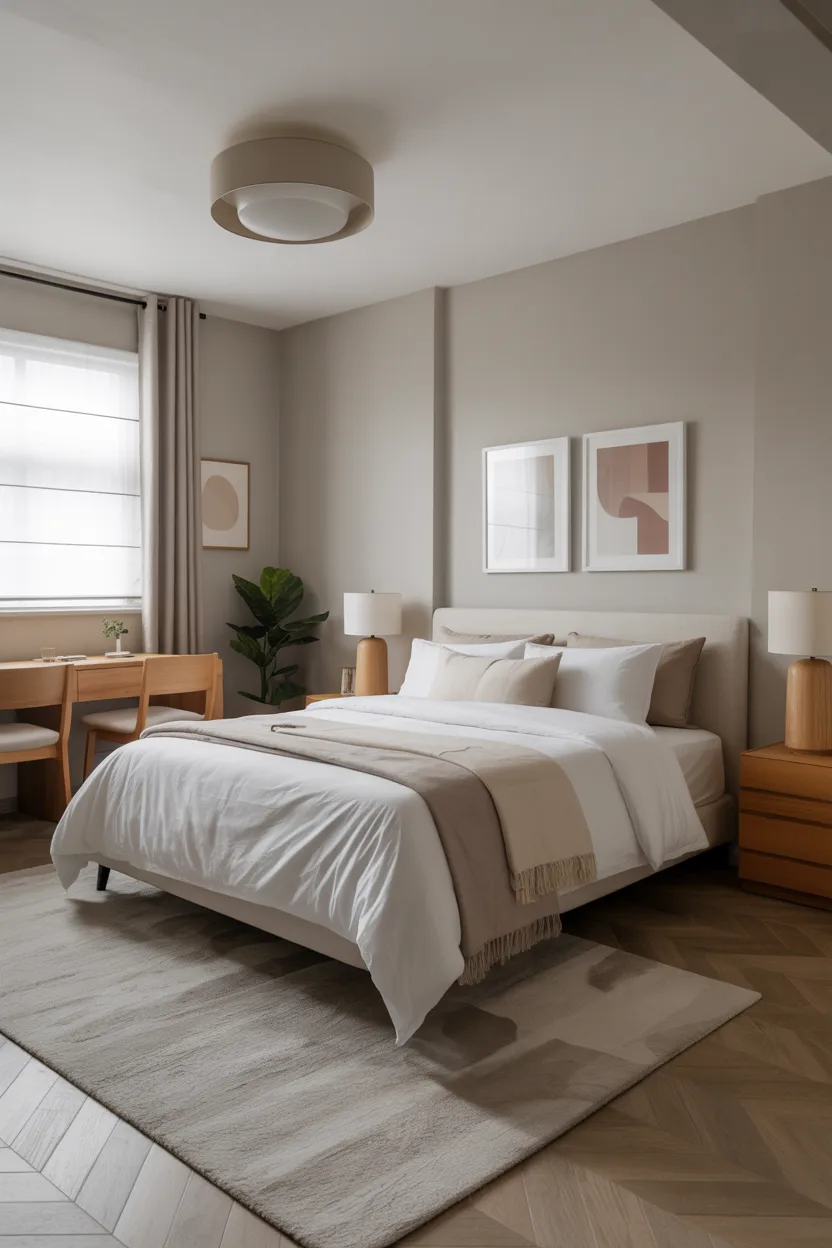
Light greige blends gray and beige together in a way that feels balanced, calm, and modern. It is a great choice if you want a bright neutral with a little more character than plain white.
A lot of people pick gray for small bedrooms and end up with a room that feels cold and flat. Greige avoids that problem because the beige undertone softens everything. You still get that clean, airy look, but the room feels more comfortable and relaxed.
I think light greige works best when the rest of the room stays simple. White bedding, warm wood, and a few textured accents can make it feel very polished. It is especially good for people who want a mature, minimal look without making the room feel lifeless.
Light greige keeps a small bedroom bright and airy while adding a soft, modern warmth.
11. Warm Beige
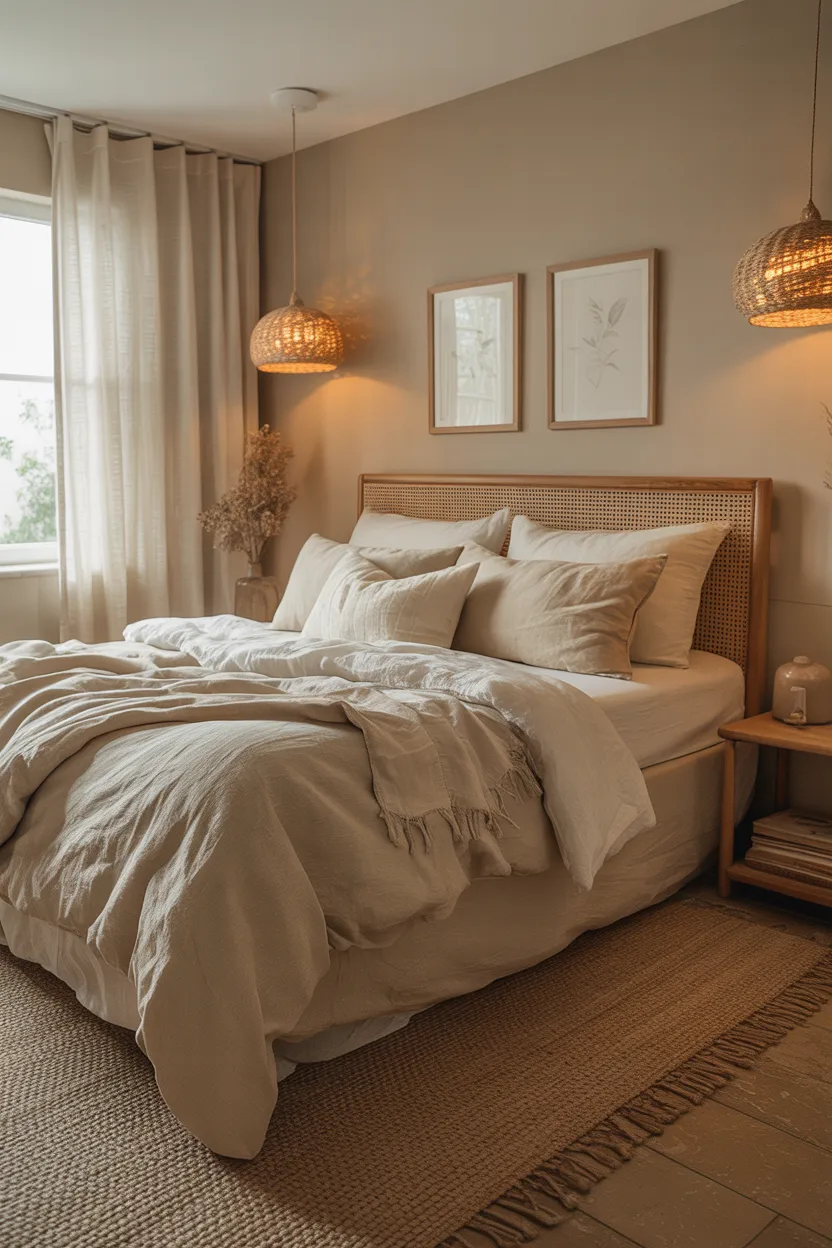
Warm beige does not sound exciting, but hear me out. A good light beige can make a small bedroom feel soft, elegant, and much more open than people expect. The problem is not beige itself. The problem is bad beige.
When you choose a warm light beige with the right undertone, the room feels relaxed and grounded. It reflects enough light to keep the space airy, but it also adds warmth that makes the bedroom feel restful. That balance matters a lot in a small room where you want both comfort and openness.
I love warm beige in bedrooms with linen bedding, soft rugs, and natural wood tones. It creates that quiet, peaceful look that never really goes out of style. Sometimes simple colors work best because they let the room breathe.
Warm beige opens up a small bedroom while keeping the overall look calm, cozy, and timeless.
Also Read: 22 Bedroom Color Ideas That Complement Black Furniture
12. Pale Lavender
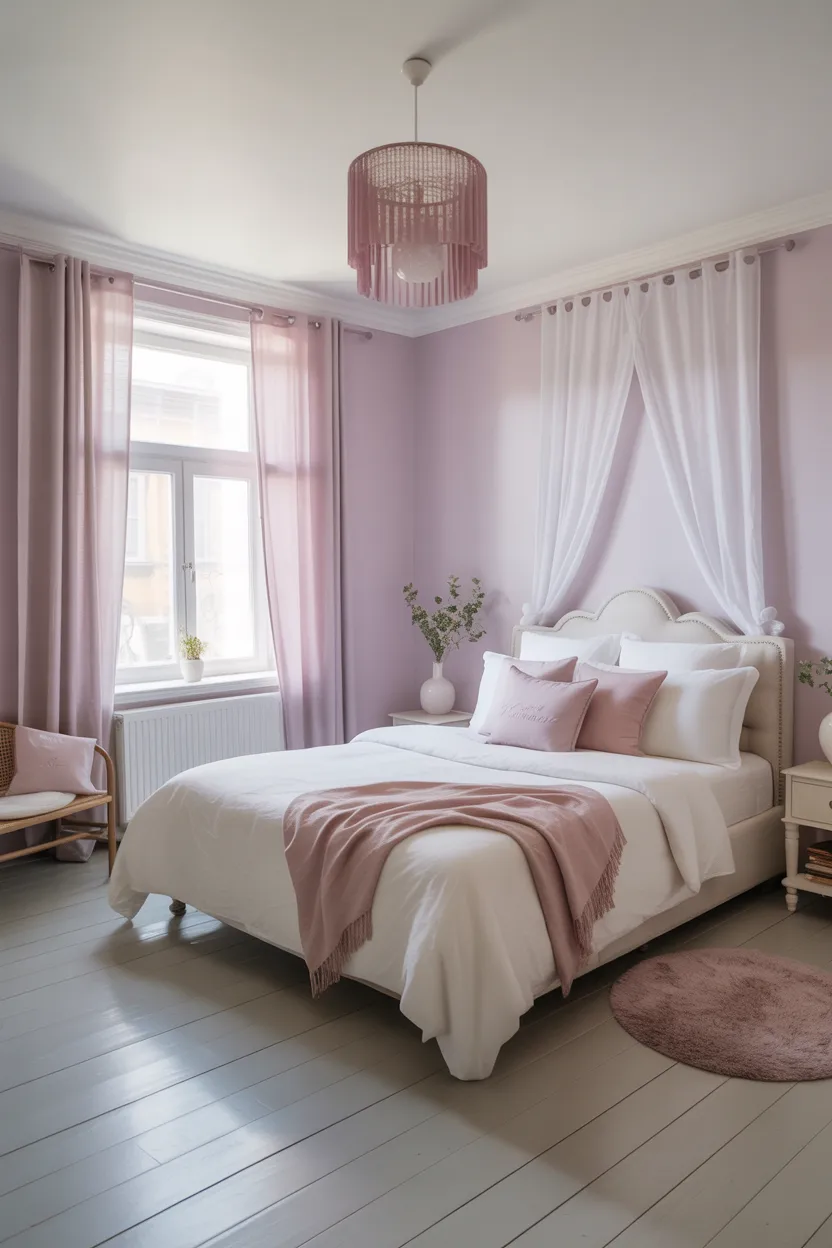
Pale lavender gives a small bedroom a light dreamy quality without making it feel childish or overly sweet. It brings in a touch of color, but it still reads as soft and airy.
This shade works really well when it has a cool, muted base. That keeps it elegant and easy to live with. In a small bedroom, pale lavender can soften the entire space and create a peaceful mood that feels great at the end of a long day.
I like it best with white trim, light bedding, and simple decor. That keeps the focus on the softness of the wall color instead of piling on too much theme. Nobody needs a room that looks like a grape candy wrapper.
Pale lavender helps a small bedroom feel bright, peaceful, and a little more special than standard neutrals.
13. Dusty Lilac
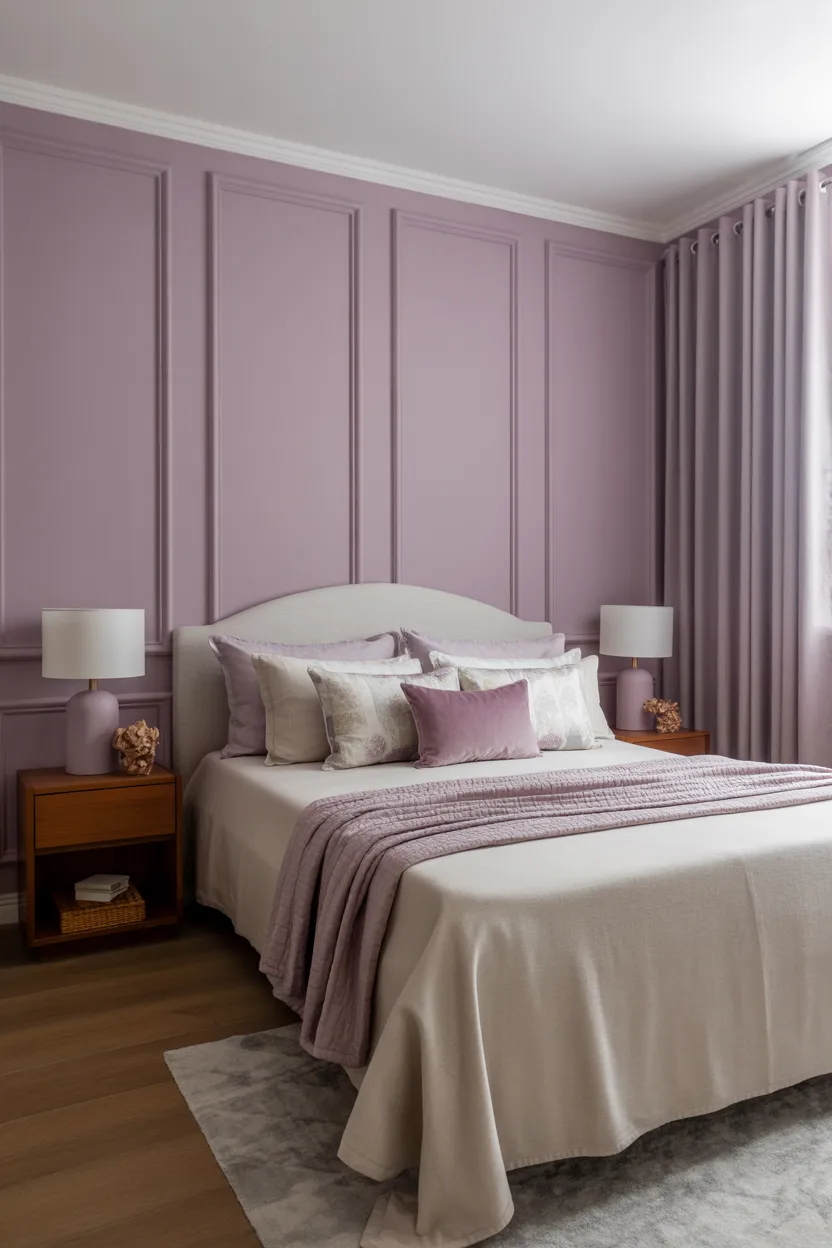
Dusty lilac gives you a little more depth than pale lavender, but it still feels light enough for a small room. It has that muted elegance that can make a compact bedroom feel thoughtful and stylish without losing its airy quality.
This shade works especially well if you want something feminine or soft without going too sweet. It looks refined, especially when paired with cream bedding, soft gray accents, or natural wood. The muted tone keeps it mature and easy to decorate around.
I think dusty lilac works best when the decor stays simple. Let the walls do a bit of the work, then support them with soft textures and clean furniture lines. That creates a room that feels layered but not cluttered.
Dusty lilac adds character and softness while still helping a small bedroom feel open and light.
Also Read: 20 Hang Curtains Ideas That Make Windows Look Taller
14. Powder Gray
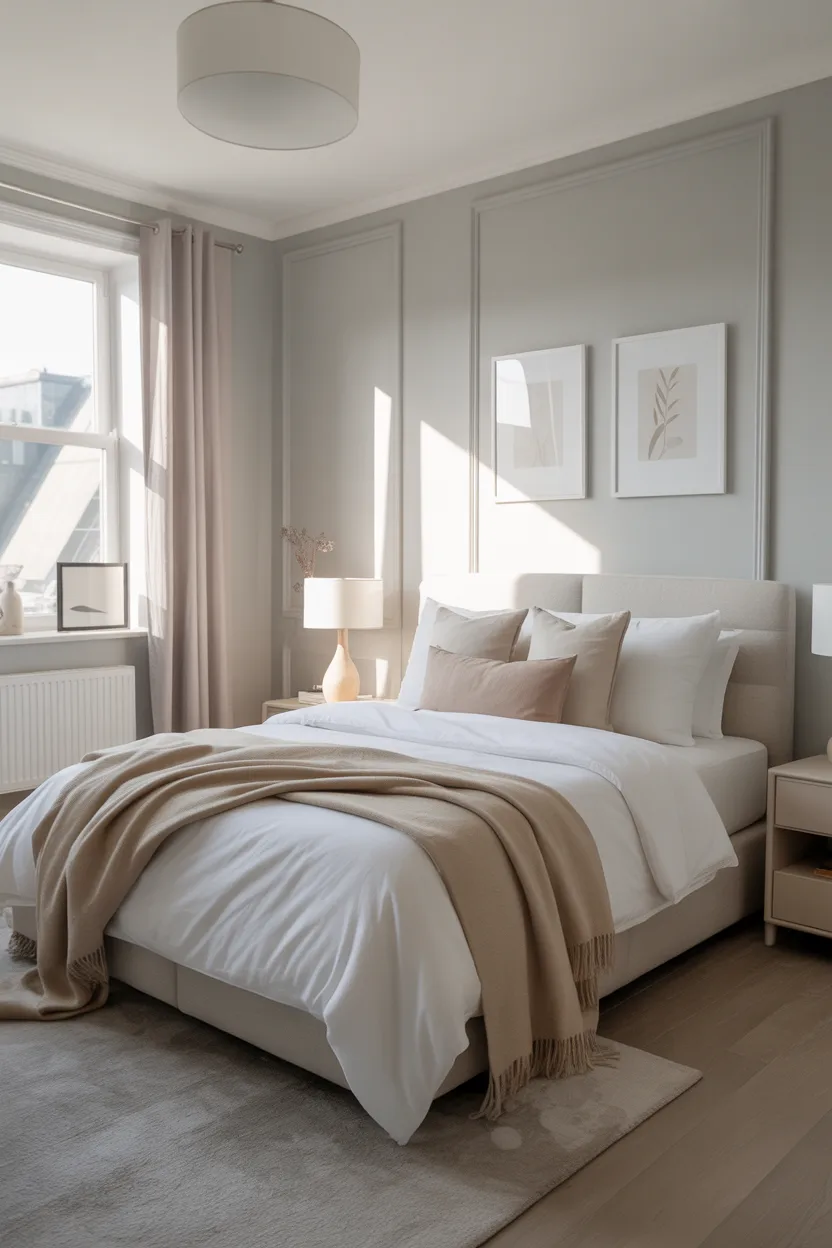
Powder gray can work beautifully in a small bedroom when you choose the right version. It needs to feel light, airy, and soft. Go too dark or too blue, and the room starts feeling chilly and cramped fast.
A soft powder gray creates a clean and polished backdrop. It works especially well in modern bedrooms where you want things to feel simple and uncluttered. In a small room, it can help create a smooth visual flow that keeps the space feeling calm.
I always suggest warming it up with soft white bedding, warm lighting, and maybe a beige throw or rug. That mix keeps the room from feeling flat. Good gray can look elegant. Bad gray can look like you gave up halfway through decorating.
Powder gray brightens a small bedroom when paired with warm accents and plenty of light reflecting surfaces.
15. Crisp Off White
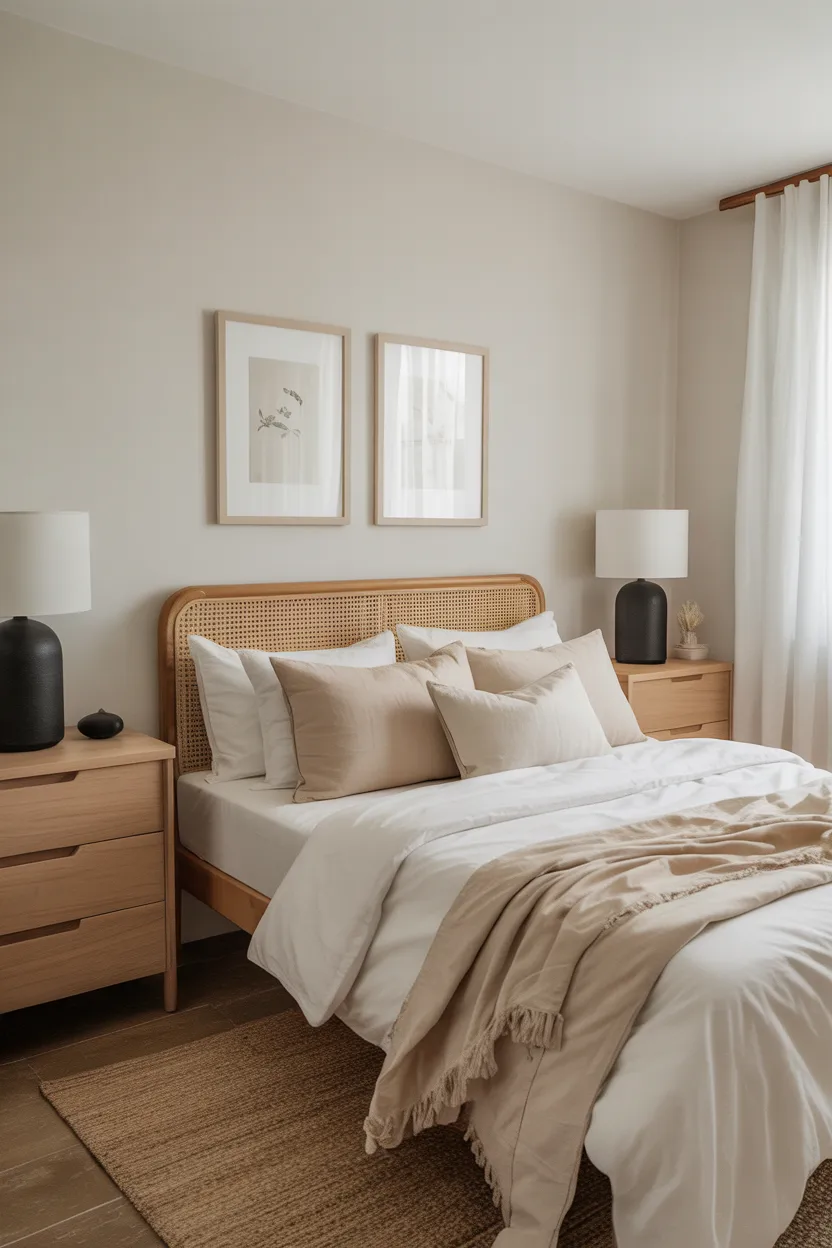
Crisp off white gives a room a fresh, lifted look while still feeling softer than pure bright white. It works well if you want a clean, airy bedroom with a little more depth and warmth.
This is a great choice for small bedrooms with simple furniture and modern decor. It makes the space feel neat and open, and it gives you a lot of flexibility with bedding and accessories. Black accents, pale woods, and soft textures all look great with it.
I like off white because it feels fresh without looking stark. That little difference matters in a bedroom. You want bright, but you also want somewhere that feels relaxing at night.
Crisp off white helps a small bedroom feel larger, cleaner, and easier to style.
Also Read: 21 Teen Girl Bedroom Color Ideas That Feel Cute and Stylish
16. Soft Sand
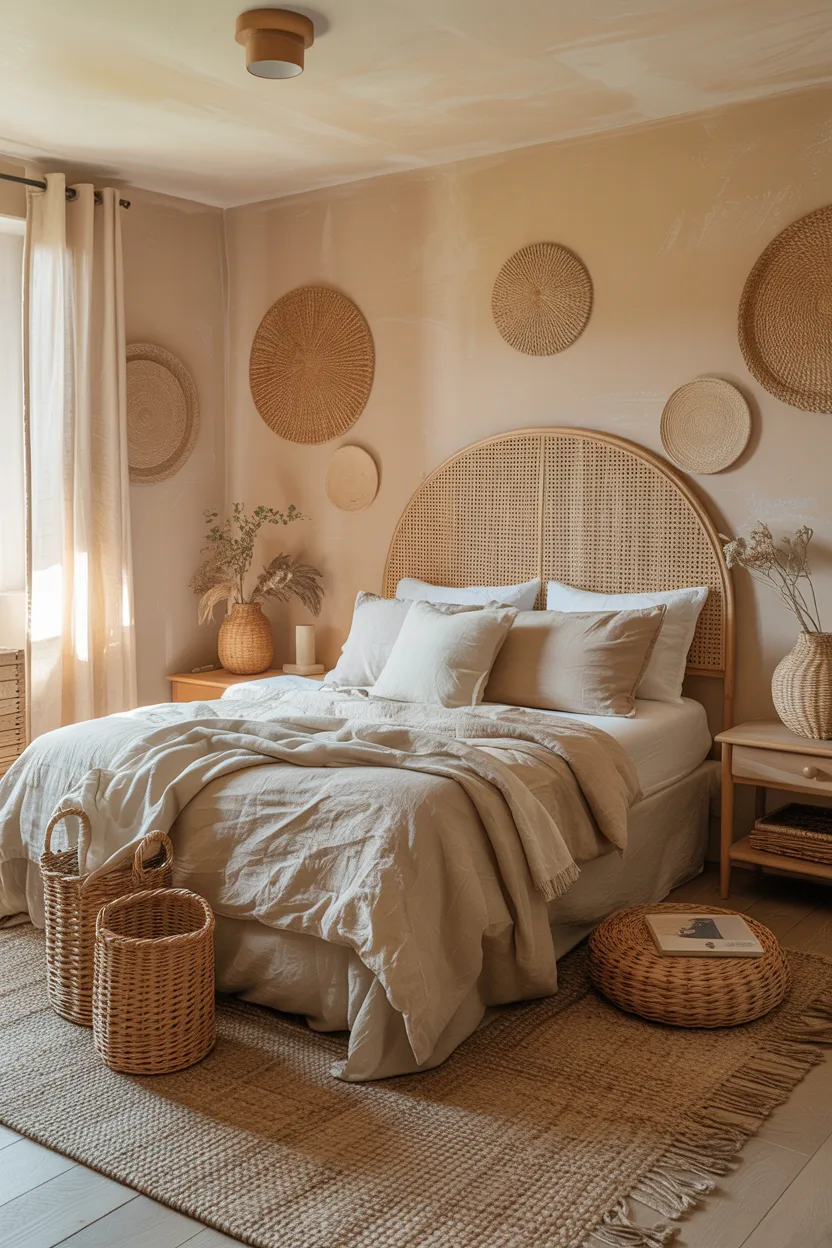
Soft sand has that beautiful in between quality that makes it very easy to use in a small bedroom. It feels warmer than gray, softer than beige, and lighter than taupe. That combination gives the room a gentle, sun-washed look.
This color works really well if you love natural decor. Think linen bedding, woven textures, pale wood, and soft neutral layers. In a small bedroom, soft sand can create a calm backdrop that still keeps the room bright and open.
I find this shade especially nice in bedrooms where you want a relaxed, unfussy style. It never feels loud. It never feels cold. It just quietly makes the room look better, which honestly is what a lot of people need.
Soft sand brightens a small bedroom while adding warmth and a natural, easygoing feel.
17. Pale Coral
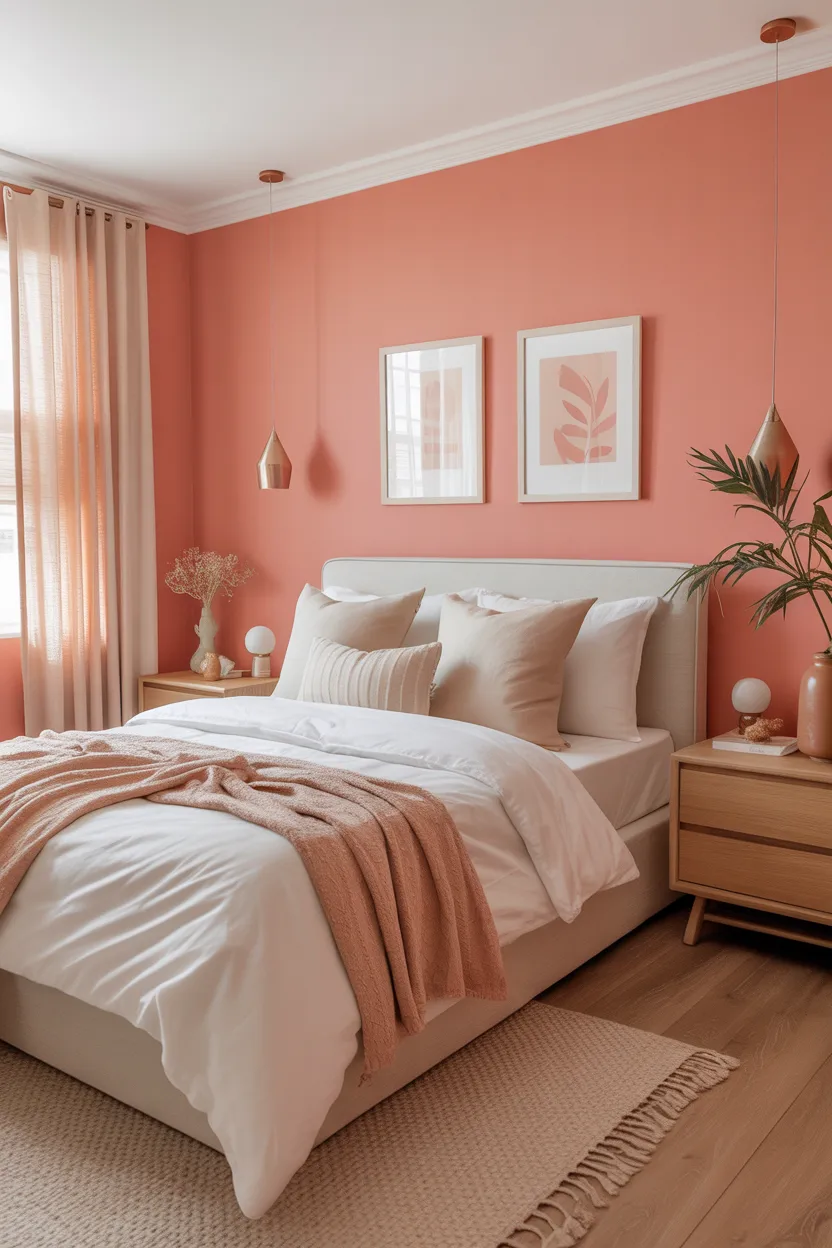
Pale coral adds a cheerful spark to a small bedroom without taking over the whole space. It feels warmer and a little more energetic than blush pink, but it still keeps the room soft and open.
This shade can work beautifully if your room feels flat and needs more life. It adds personality fast, but the pale tone keeps it from feeling too bold. In a compact room, that balance is important. You want brightness and interest, not walls that yell at you.
I would pair pale coral with white bedding, light woods, and maybe a few woven accents to keep the look fresh. It can also look lovely with soft gold or brass finishes for a slightly more polished feel.
Pale coral makes a small bedroom feel brighter, warmer, and more inviting without closing the space in.
18. Light Taupe
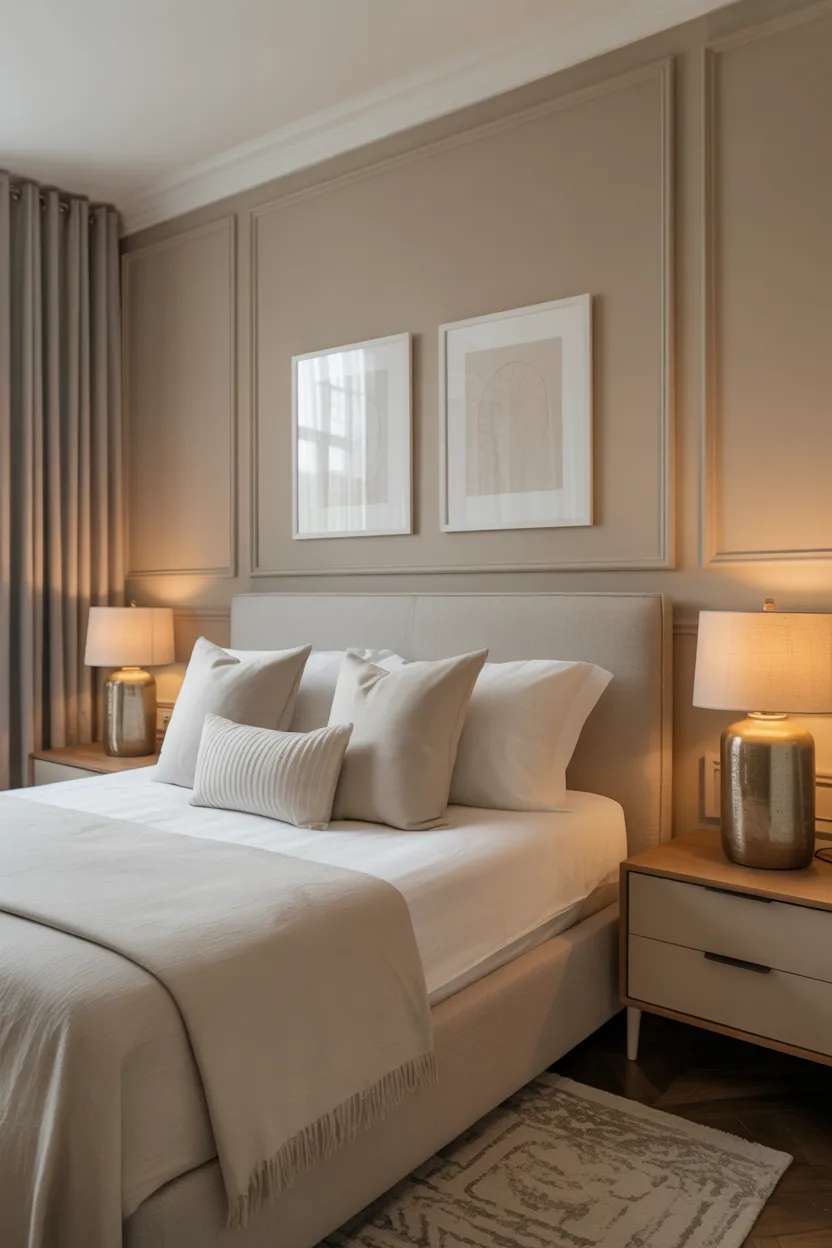
Light taupe gives a small bedroom a slightly richer look than beige while still keeping the overall feeling airy. It feels sophisticated, soft, and easy to live with, which makes it a strong choice for anyone who wants a calm neutral bedroom.
Taupe works best when it leans light and warm. That keeps the room open and prevents the walls from looking muddy. In a small room, the right taupe can create subtle depth without making the space feel smaller.
I like light taupe with white bedding, textured pillows, and warm bedside lighting. It creates a very polished and restful atmosphere. If you want a bedroom that looks elegant but still relaxed, this one does the job really well.
Light taupe adds depth and style while keeping a small bedroom bright and breathable.
19. Seafoam Green
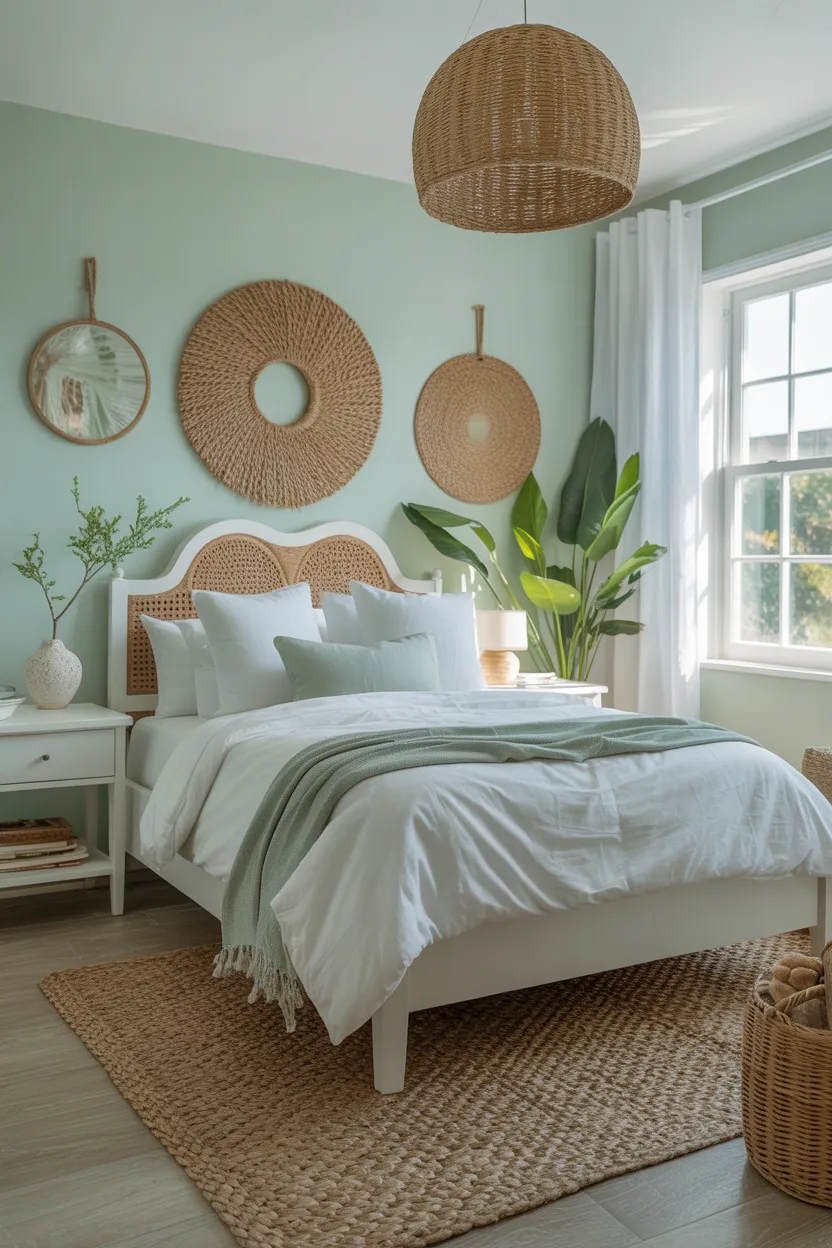
Seafoam green has a breezy, almost beachy softness that works beautifully in small bedrooms. It feels refreshing, clean, and light, which helps the room feel more open right away.
This color has enough green to feel interesting, but enough softness to stay easy on the eyes. In a tiny bedroom, that can make a big difference. It adds life to the space without making it feel busier.
I love seafoam green with white furniture, natural fibers, and simple art. It gives the room a relaxed, effortless feel that works especially well in spaces where you want a little personality without a lot of visual noise.
Seafoam green reflects light well and helps a small bedroom feel playful, calm, and more spacious.
Also Read: 22 Bedroom Color Ideas That Complement Black Furniture
20. Light Blue Gray
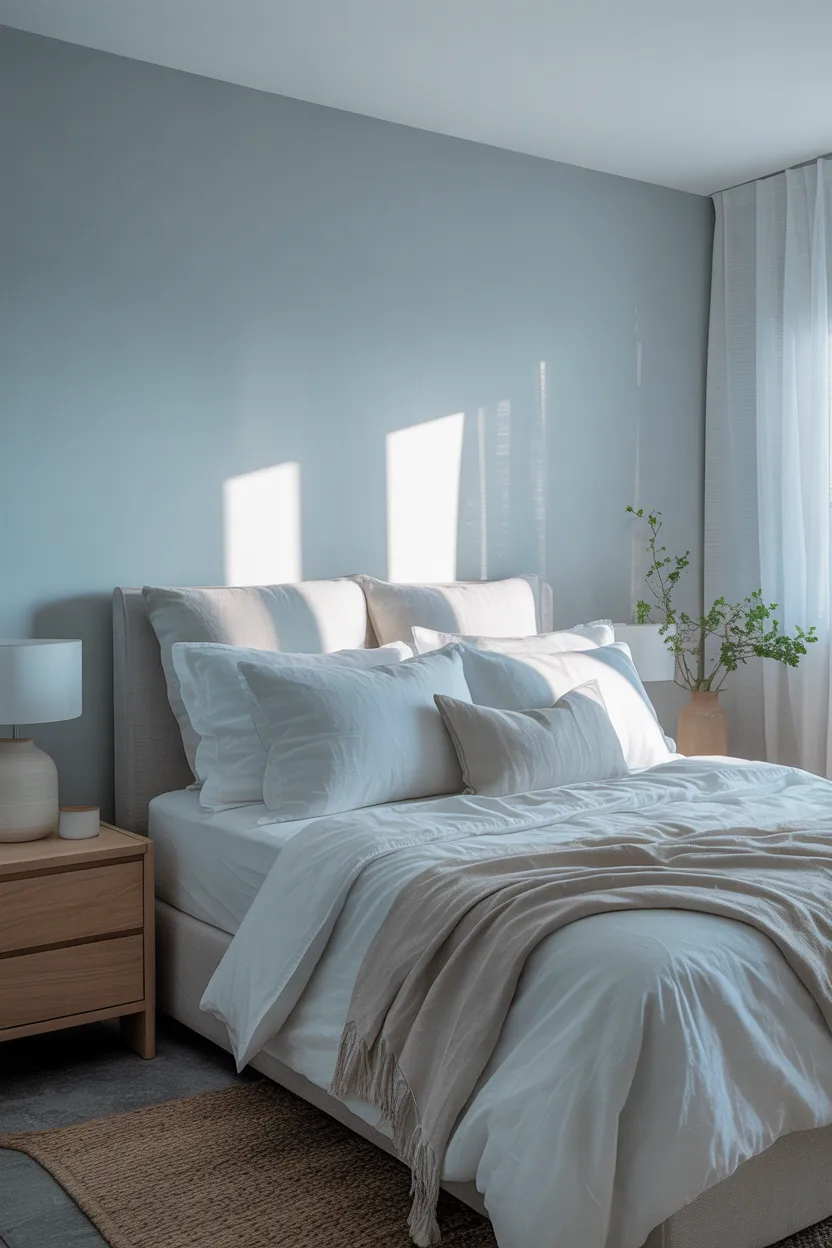
Light blue gray brings together the calmness of blue and the polish of gray. In a small bedroom, that mix creates a cool, airy feel that can soften the whole space.
This shade works especially well in rooms with good natural light. It looks fresh in the morning and restful in the evening, which makes it ideal for a bedroom. It also pairs easily with white bedding, pale wood, and soft neutral accessories.
I think this is a great choice if you want a peaceful room that feels slightly modern but not too sharp. It stays soft and clean, which matters in a small space where every surface feels more visible.
Light blue gray helps blur the edges of a small room, making it feel less cramped and more relaxed.
21. Soft Champagne
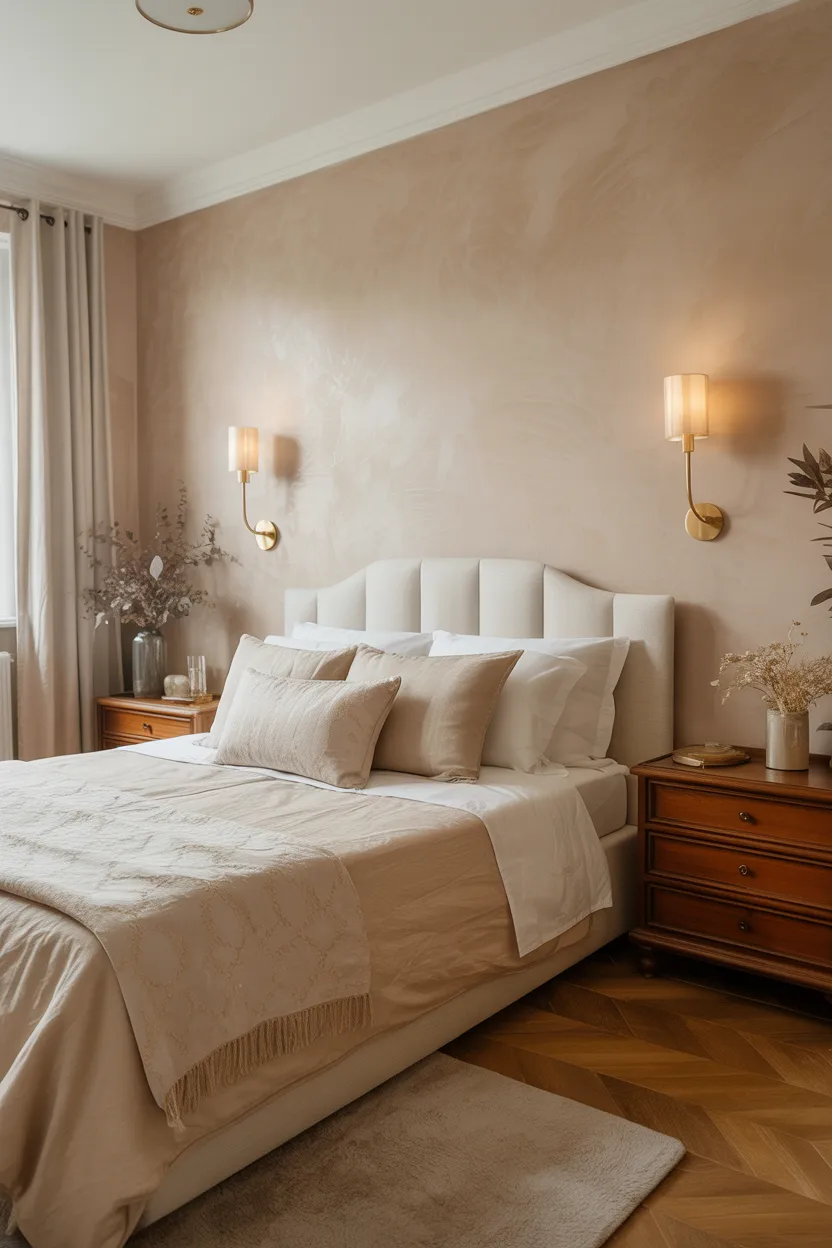
Soft champagne gives a small bedroom a subtle glow that feels elegant and warm. It sits somewhere between cream, beige, and blush, which makes it one of those colors that changes slightly depending on the light.
That shifting quality can be really pretty in a small bedroom. During the day, it looks bright and soft. At night, it feels cozy and polished. It also works well with a lot of finishes, including white, wood, brass, and warm stone tones.
I love soft champagne for bedrooms that need a little refinement without losing comfort. It feels elevated, but not in a stiff or overly formal way. More like quietly pretty. Less like trying to impress your imaginary interior design critics.
Soft champagne adds warmth, brightness, and a subtle luxe feel to a small bedroom.
22. Bright White with Warm Decor Layers
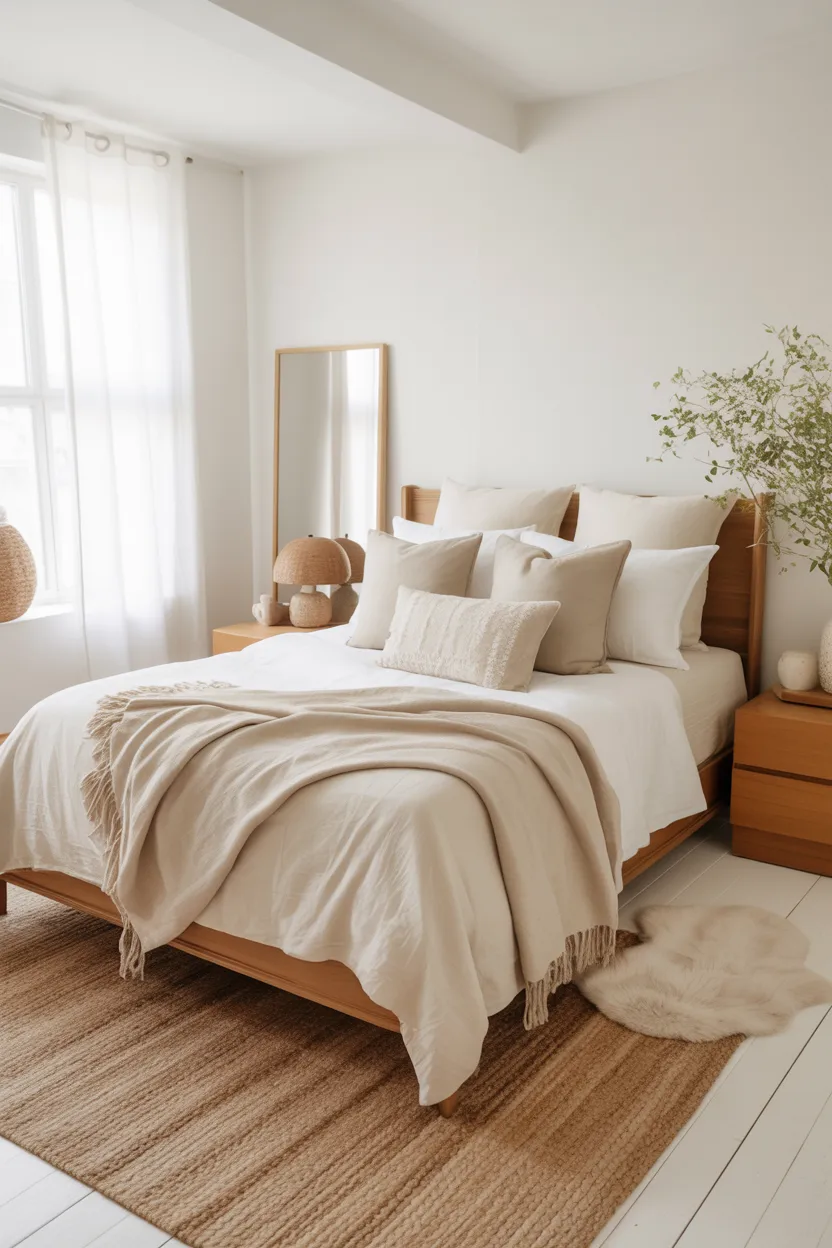
Bright white gives you the most light reflecting power on this list. If your goal is making a small bedroom feel as open as possible, this choice can absolutely work. The trick is balancing it with warm decor so the room still feels inviting.
On its own, bright white can feel a little harsh in a bedroom. Add warm wood, cream bedding, textured throws, woven accents, and soft lighting, and suddenly it feels fresh instead of cold. That contrast makes the room feel open and comfortable at the same time.
I would choose this option in a room with decent natural light and simple furniture. It gives you that clean, expanded feel while letting textures and materials bring warmth into the space.
Bright white makes a small bedroom feel largest, and warm layered decor keeps it from feeling sterile.
How to Choose the Right Bright Color for Your Small Bedroom
Not every bright shade will look good in every room. Light changes everything. So do undertones, furniture, and how much warmth you want in the space. Ever fall in love with a paint color online, then hate it on your actual wall? That is normal, annoying, and very common.
The first thing I always look at is natural light. If the room gets very little sunlight, warmer bright shades usually work better. They stop the room from feeling cold and lifeless. If the room gets strong sunlight, cooler shades can look crisp and refreshing.
If your room gets little natural light
Try shades like:
- Creamy ivory
- Soft warm white
- Pale butter yellow
- Peachy nude
- Soft sand
- Warm beige
These shades help warm up the room while still keeping it bright.
If your room gets lots of sunlight
Try shades like:
- Pale sky blue
- Misty aqua
- Seafoam green
- Light blue gray
- Powder gray
- Pale mint
These colors stay airy and balanced in stronger light.
If you want the room to feel cozy
Choose:
- Blush pink
- Soft champagne
- Warm beige
- Light taupe
- Creamy ivory
If you want the room to feel fresh and crisp
Choose:
- Crisp off white
- Soft warm white
- Pale mint
- Light sage green
- Bright white with warm decor
Also, always sample your paint before committing. Paint a few swatches on different walls and check them in the morning, afternoon, and evening. Annoying? Yes. Worth it? Also yes.
Small Bedroom Color Mistakes to Avoid
Even bright colors can make a room feel off if you choose the wrong version or style the room badly. A few common mistakes can ruin the open look you are trying to create.
1. Choosing a shade that feels too cold
A bright color should make the room feel open, not icy. Some whites, grays, and lavenders can look cold if the undertone is wrong. That can make the bedroom feel less inviting.
2. Ignoring undertones
Undertones matter more than people expect. A beige with pink undertones or a gray with green undertones can totally shift the look of the room. Always test samples on your actual walls before picking a final color.
3. Pairing bright walls with heavy decor
Light wall color helps, but giant dark furniture, thick curtains, and crowded decor can still make the room feel cramped. Keep the styling light enough to support the paint.
4. Forgetting about the ceiling
A lighter ceiling can help the room feel taller. In some cases, painting the ceiling the same soft tone as the walls can also create a smooth, spacious effect.
5. Using too many contrasting colors
A small room usually looks larger when the color palette feels connected. Too many sharp contrasts can break up the space and make it feel busier.
Easy Ways to Make Bright Colors Work Even Better
Paint matters a lot, but styling choices matter too. If you want your bright bedroom color to really help the room open up, a few simple design moves can make a big difference.
Use these tricks for a bigger looking bedroom
- Hang curtains higher than the window
- Choose light colored bedding
- Use mirrors to reflect light
- Keep furniture slim and simple
- Add texture instead of too many patterns
- Leave some floor space visible
- Use bedside lamps with warm light
- Avoid overcrowding shelves and surfaces
I always say color does the first half of the job, and styling finishes it. A beautiful pale wall cannot save a room packed with bulky furniture and random clutter. Harsh but true.
My Favorite Picks for the Best Results
If I had to narrow this list down to the shades I reach for most often, these would be my top picks:
- Soft warm white for the easiest all around option
- Creamy ivory for small rooms that need warmth
- Light sage green for a calm fresh look
- Pale sky blue for airy softness
- Blush pink for warmth and personality
These colors work because they balance brightness with comfort. They help the room feel open, but they still make it feel like a bedroom instead of a blank showroom. That is the sweet spot.
Final Thoughts
The best bright bedroom color ideas for small rooms that open up all have one thing in common. They help your room feel lighter, calmer, and more spacious without forcing you to do anything extreme. No wall removal. No complicated makeover. Just better color choices and a little smart styling.
Start by thinking about how you want the room to feel. Do you want it warm and cozy? Fresh and airy? Soft and elegant? Then test a few shades, look at them in your real lighting, and choose the one that makes the room feel easiest to breathe in.
A small bedroom can still feel beautiful, restful, and open. Sometimes the right paint color changes everything. And honestly, that is kind of nice because not every home problem needs a dramatic solution.