
Choosing the right bedroom color for a kid sounds simple until you actually try to do it. Then suddenly every shade looks either too dull, too loud, too babyish, or way too much like a candy wrapper. And when you want the room to feel fun and help with better sleep, the choice matters even more.
I love this topic because color changes everything. You can keep the same bed, the same dresser, the same pile of stuffed animals sitting in the corner like they pay rent, and the room can still feel completely different with a new paint color. A smart color choice can make a kid’s bedroom feel softer, calmer, cozier, and much more restful at night.
If you want a bedroom that supports sleep but still feels cheerful and kid friendly, you have plenty of good options. You do not need to settle for boring walls or go wild with neon chaos. You just need shades that feel playful in daylight and peaceful at bedtime. That sweet spot exists, and these ideas prove it.
1. Soft Sky Blue
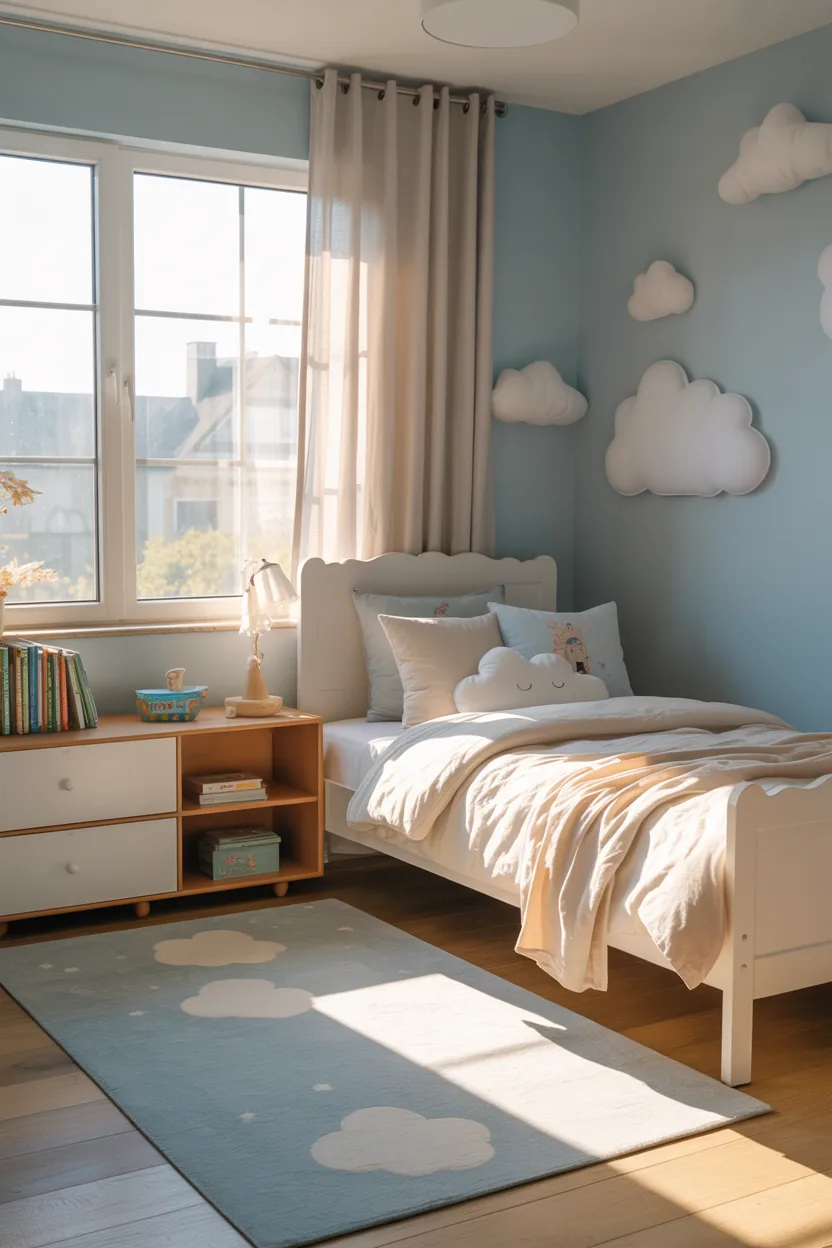
Soft sky blue always feels like a safe choice, but not in a boring way. It gives the room an airy, peaceful quality that helps it feel open and calm. That matters a lot in a kid’s room, especially when you want the space to support quiet evenings and restful sleep.
I like sky blue because it looks cheerful during the day without feeling overly energetic at night. It works beautifully with white furniture, light wood, cloud prints, soft gray rugs, and simple bedding. The color feels classic, but it still leaves room for personality.
If you want a shade that grows well with your child, sky blue does that too. It suits toddlers, young kids, and even older children without looking out of place. That makes it practical, and honestly, practical matters when repainting a room feels like a whole event.
Also Read: 25 Decoration Mirror Ideas That Instantly Look Stylish
2. Warm Greige
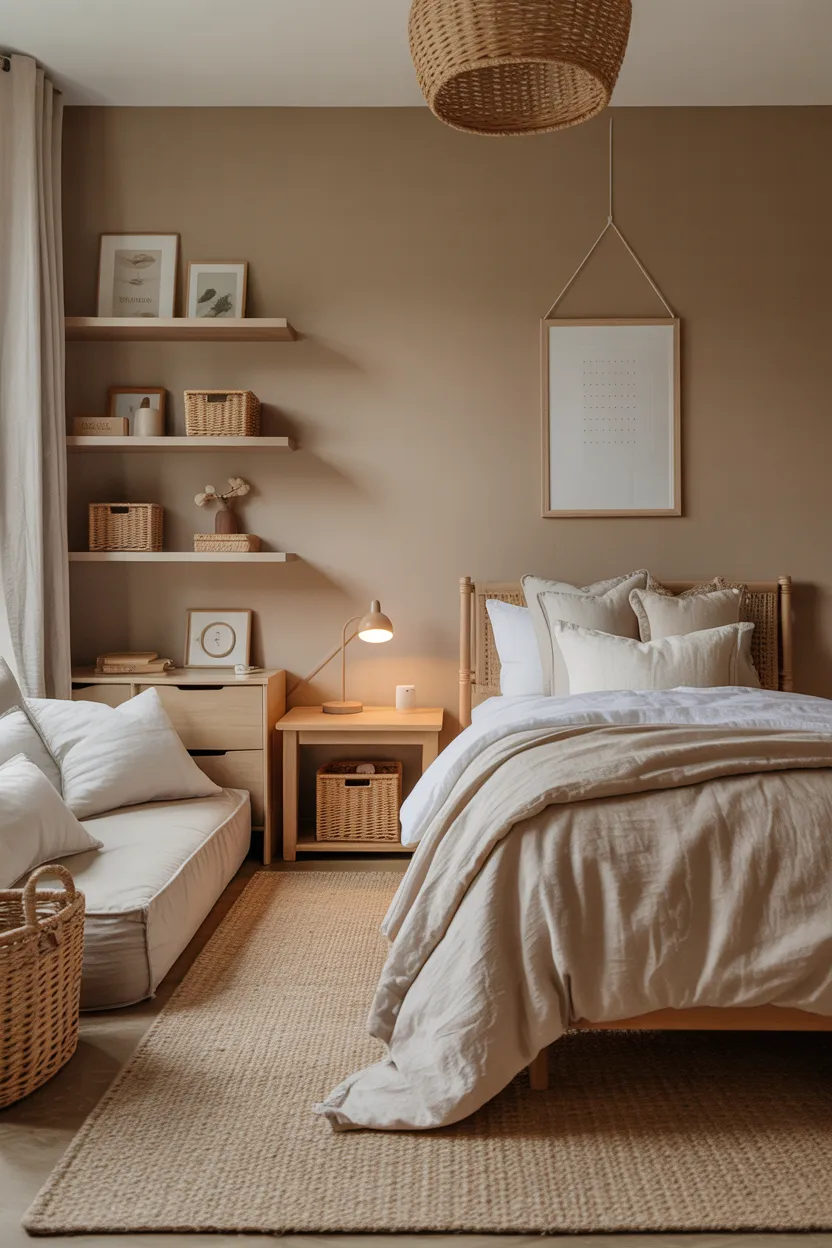
Warm greige blends gray and beige into one soft, cozy neutral. It sounds plain on paper, but in a real room, it looks calm, grounded, and surprisingly stylish. This color works especially well if you want the room to feel peaceful without leaning too pastel.
I love warm greige for shared rooms and kid bedrooms that need flexibility. You can pair it with almost anything. Soft blues, dusty pinks, muted greens, mustard accents, animal prints, and natural textures all work with it. That gives you a lot of freedom as your child’s style changes.
This color also helps balance a room that already has lots of bright toys and books. Instead of competing with everything, it calms the space down. And in a kid’s room, that feels like a small miracle.
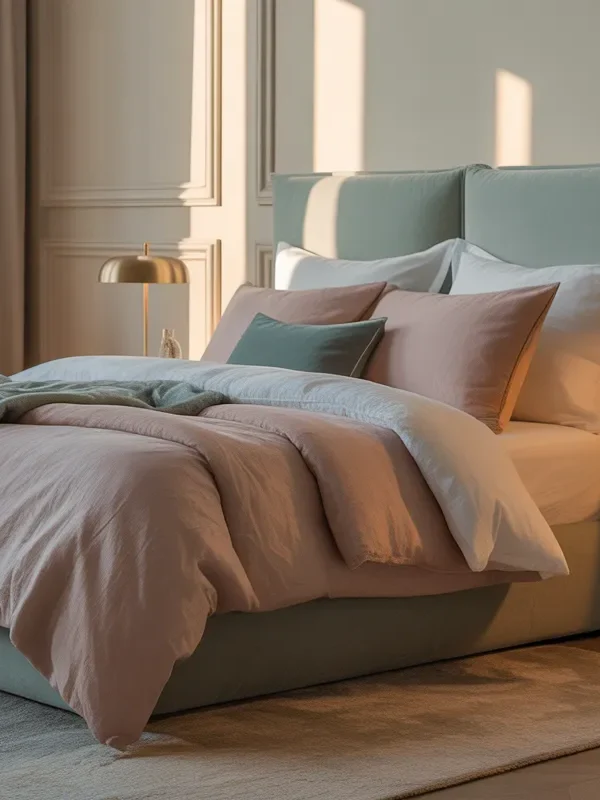
3. Pale Sage Green
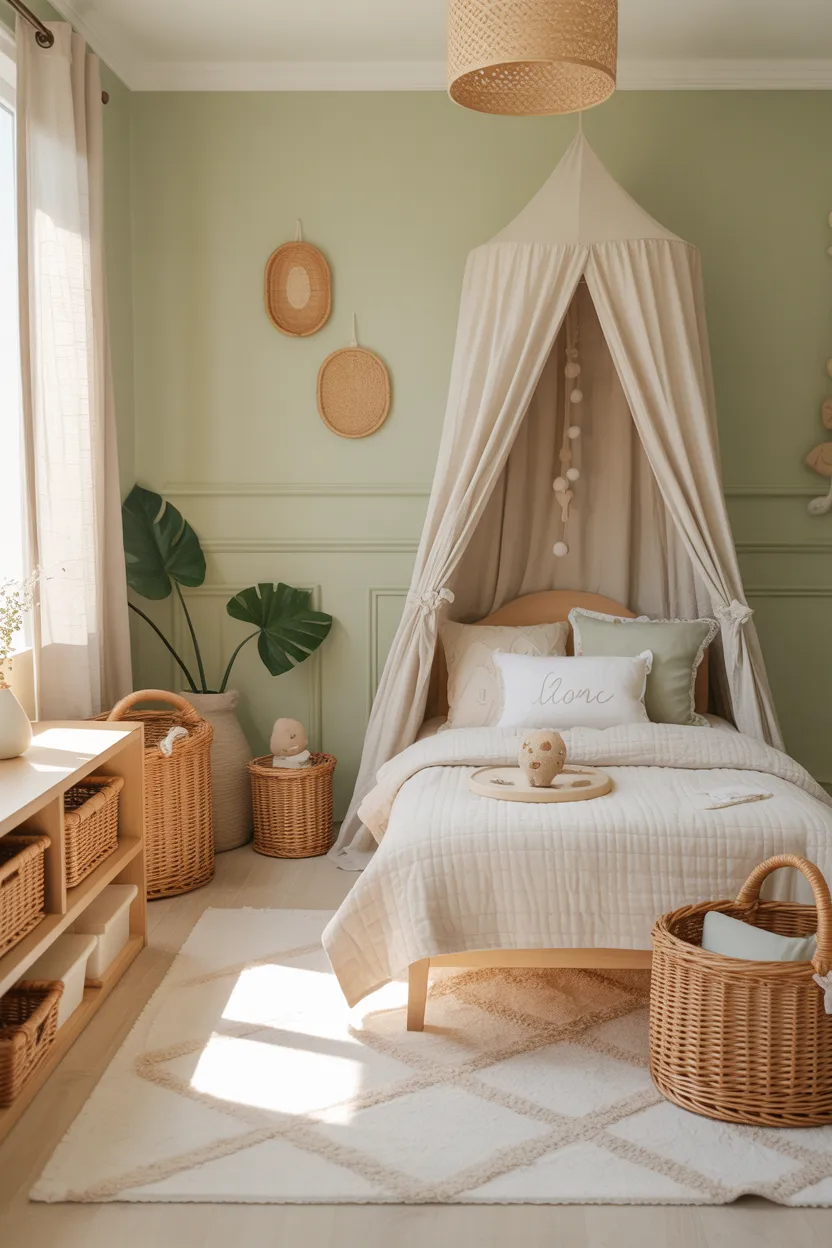
Pale sage green feels soft, natural, and restful. It brings in a subtle outdoor feel, which often helps a room feel grounded and peaceful. I think it works beautifully in bedrooms because it adds color without turning the space loud.
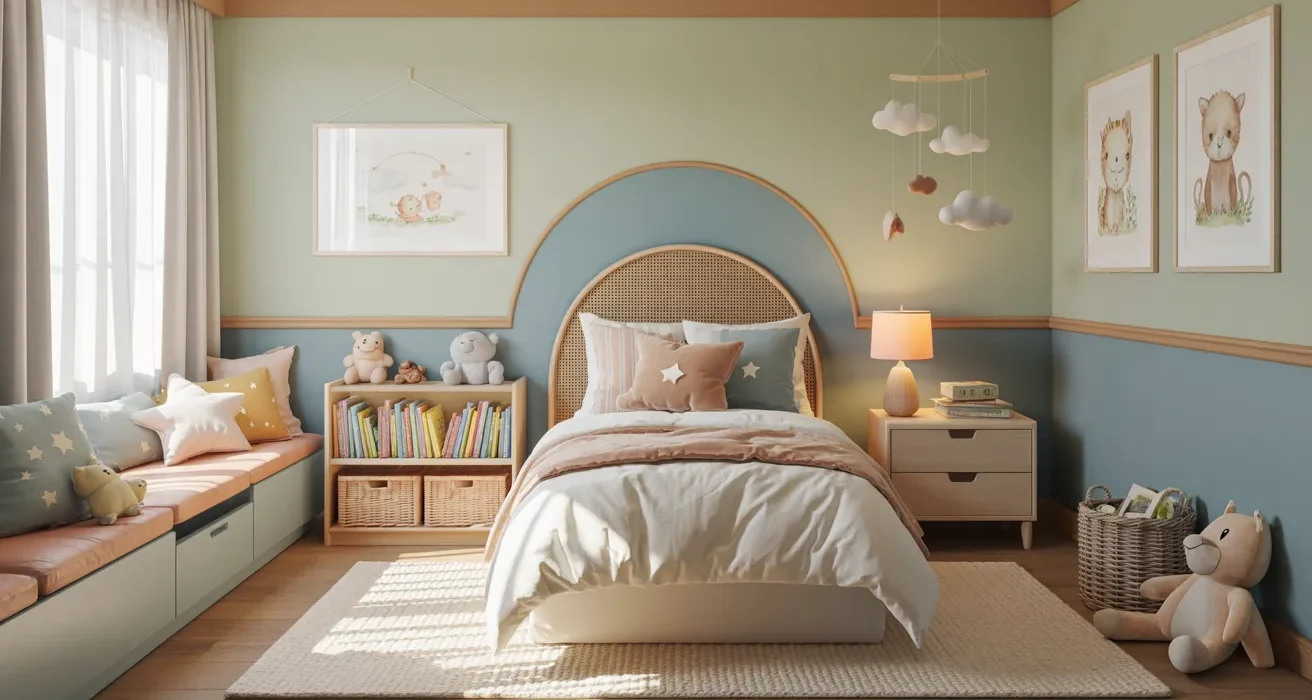
Sage green pairs nicely with cream bedding, woven baskets, soft white curtains, and light wood furniture. The whole room starts to feel fresh and cozy at the same time. That combination works really well for bedtime spaces.
I also like that sage does not feel too themed. It looks pretty, but it still feels flexible. You can style it with animals, woodland decor, florals, stars, or simple minimalist pieces. It handles all of them without complaint.
Also Read: 22 Modern Office Desks with Drawers for a Clean Setup
4. Creamy Off White
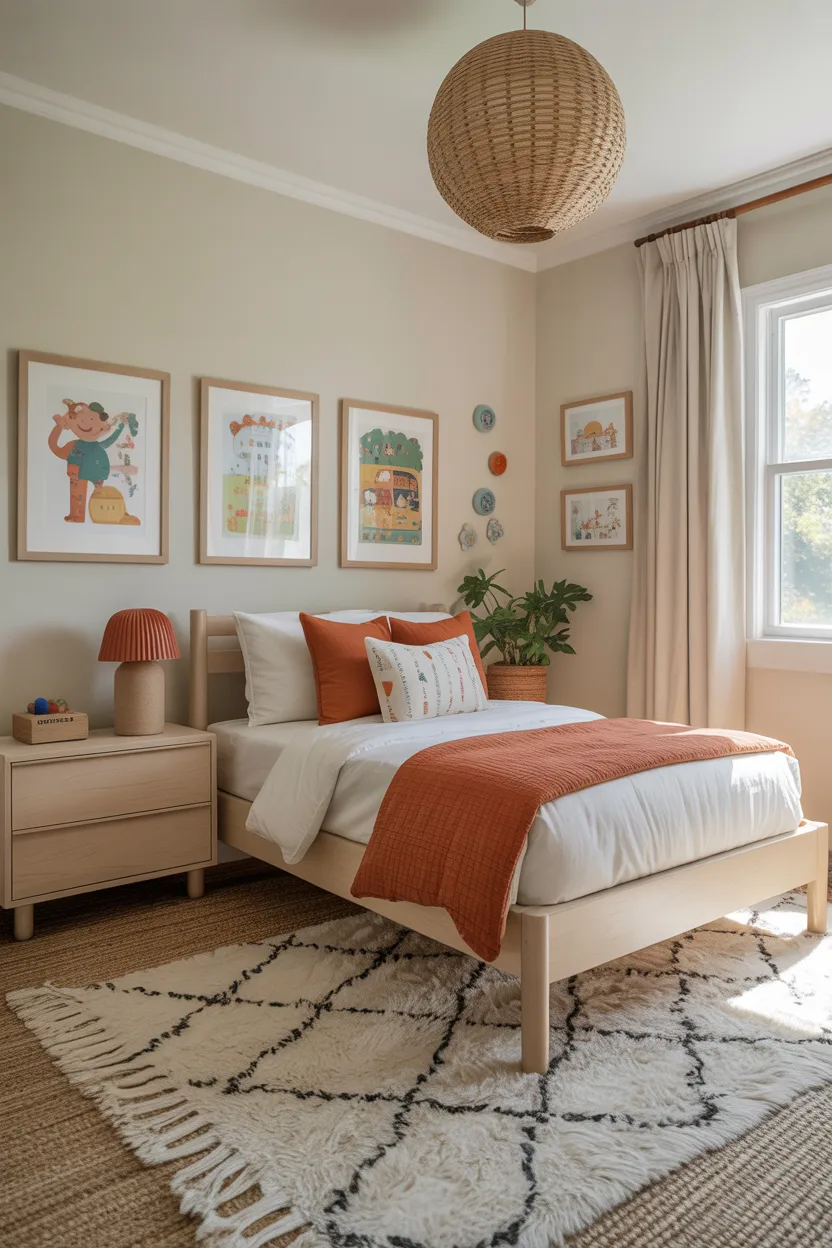
A lot of people underestimate creamy off white, but it can look gorgeous in a kid’s room. The key is picking a warm white instead of a cold one. Warm whites feel soft and inviting, while colder whites can make the room feel too sharp and sterile.
This color works especially well in smaller rooms because it reflects light and makes the space feel bigger. It also gives you a blank but beautiful background for colorful books, bedding, wall art, and toys. So even if the walls stay simple, the room still feels lively.
I really like creamy off white in rooms where you want a peaceful foundation. It creates a clean, calm feel without looking boring. And when the toys bring enough chaos already, the walls do not need to join the party.
5. Dusty Rose
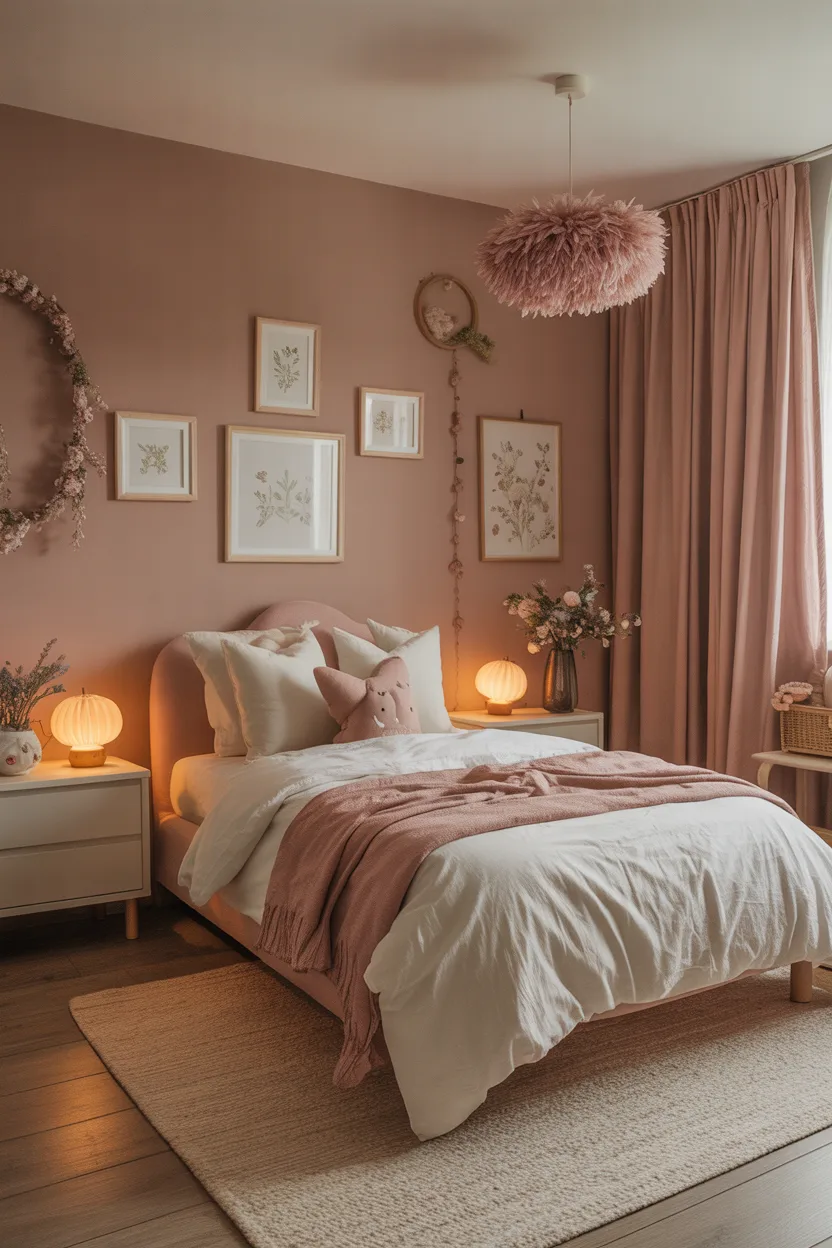
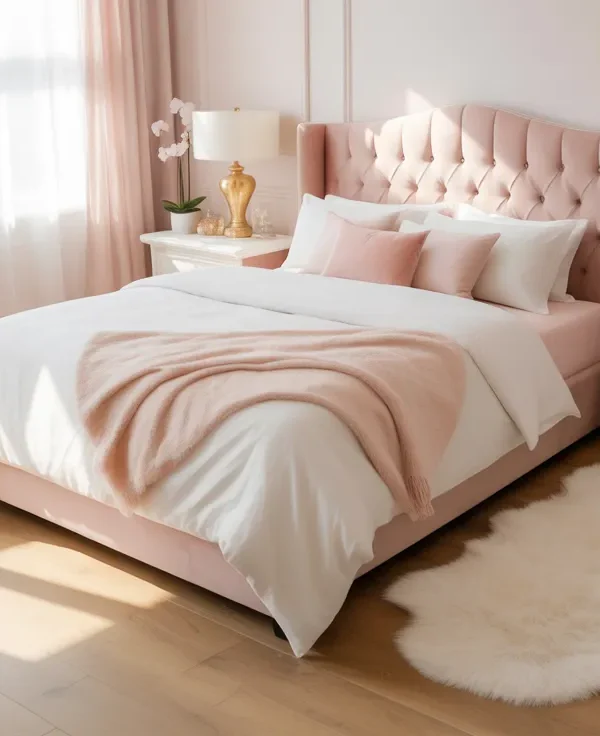
Dusty rose gives you the warmth of pink without the sugary overload. It feels soft, cozy, and a little more grown up than bright bubblegum shades. That makes it perfect for a bedroom that needs to feel sweet and restful at the same time.
I think dusty rose works best with beige, cream, light wood, and muted floral or simple geometric decor. The room feels charming without looking overly precious. That matters if you want the color to age well and still feel good later.
This is also one of those colors that looks beautiful in natural light. It glows softly instead of shouting for attention. For a sleep focused space, that is exactly what you want.
Also Read: 21 Bedroom Shelving Ideas That Look Neat and Pretty
6. Light Lavender
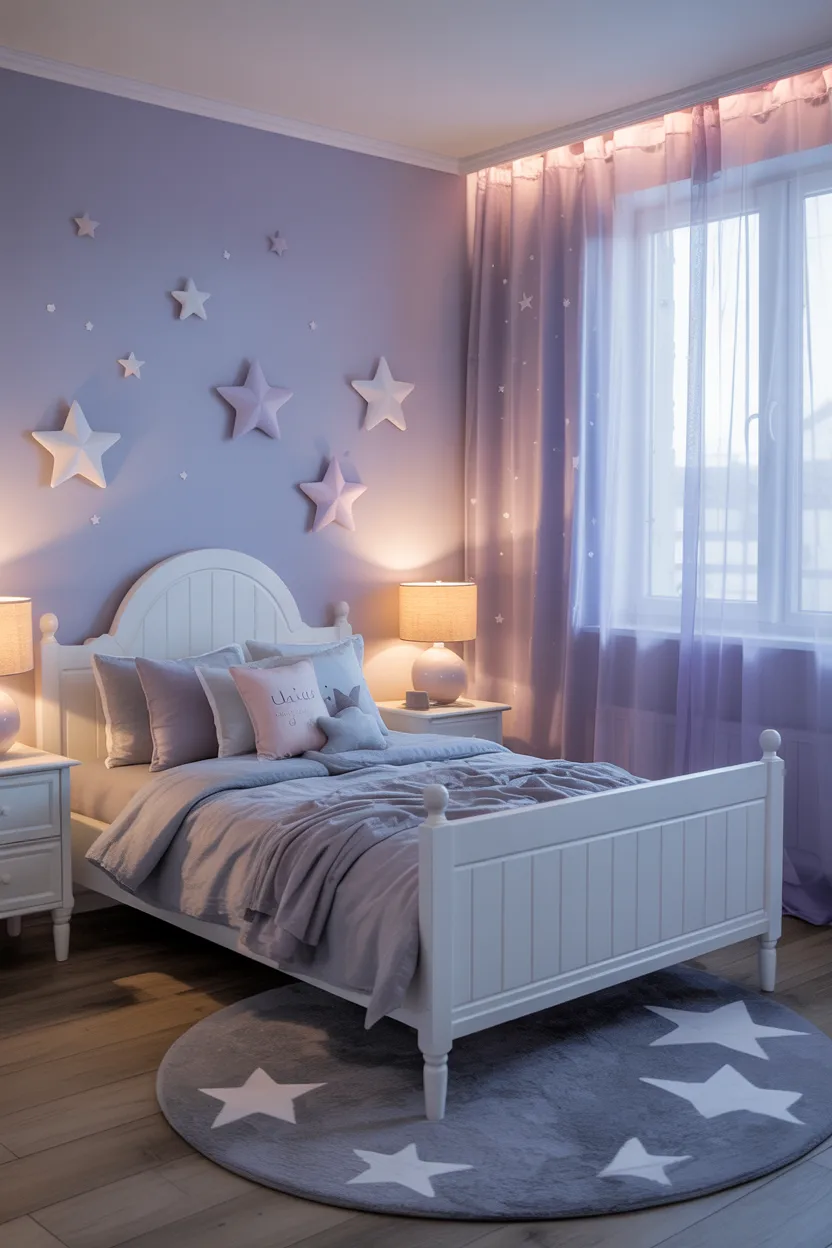
Light lavender brings a dreamy softness to a bedroom. It feels gentle and imaginative, but it still creates a calm mood. If your child wants color and a little whimsy, lavender gives you both without making the room feel too intense.
I personally love lavender with soft gray, white bedding, and delicate little accents like stars, moons, butterflies, or simple framed prints. The room feels playful but still peaceful. That balance can be hard to get right, but lavender handles it well.
Ever noticed how some colors make a room feel instantly softer? Light lavender does that. It creates a quiet kind of charm that works beautifully at night.
7. Powder Blue Gray
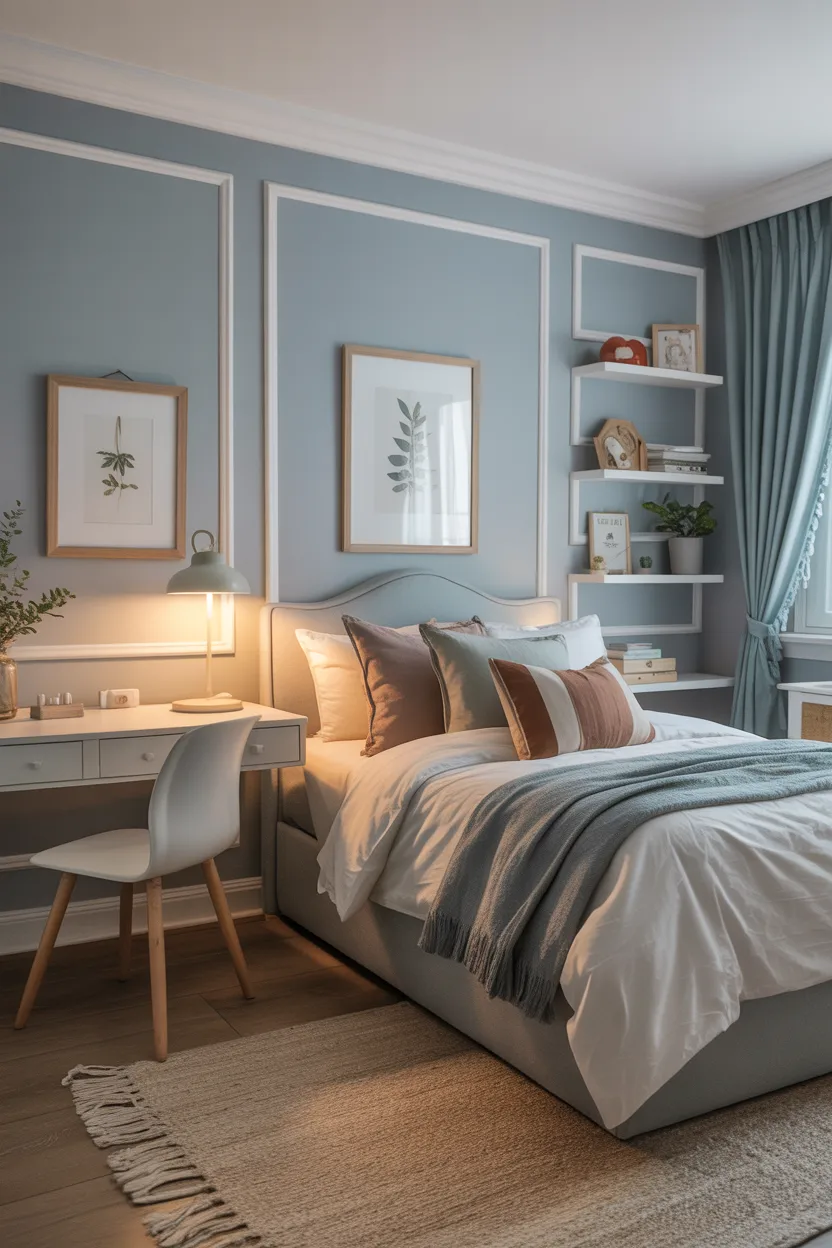
Powder blue gray sits right between blue and gray, which gives it a calm and polished look. It feels more relaxed than a bright blue but still carries enough color to keep the room from looking flat.
This color works well if you want something restful with a slightly cooler feel. I like it in bedrooms with white trim, soft linens, and maybe a few navy or pale wood accents. The result feels fresh, clean, and quiet.
It also works across different age groups, which makes it a smart choice if you do not want to repaint every time your child changes their favorite cartoon. And let’s be honest, that can happen with wild speed.
Also Read: 24 Bathroom Ideas That Make Your Space Look Better
8. Muted Peach
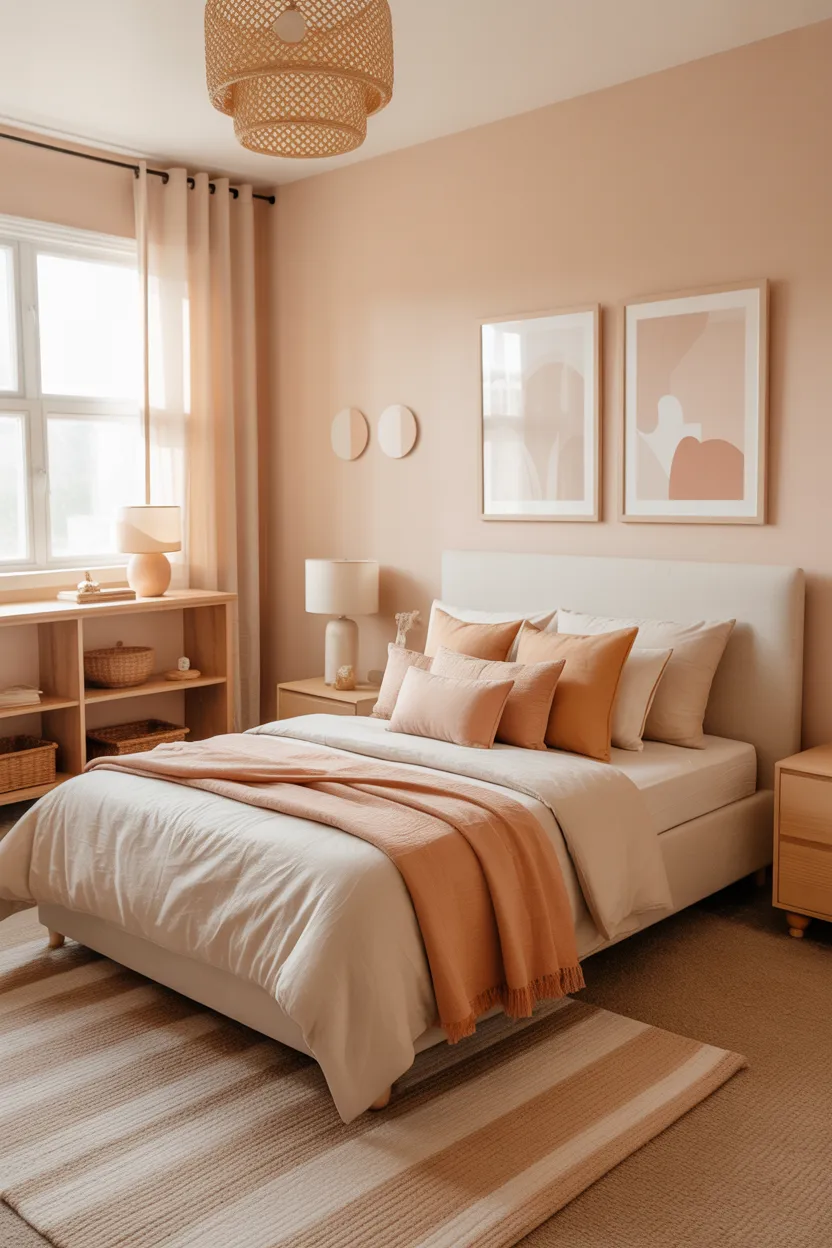
Muted peach adds warmth and cheer without the high energy that bright orange usually brings. It has a sunny quality, but it still feels soft enough for a bedroom. That makes it a great option for parents who want warmth without visual chaos.
I like muted peach with ivory, beige, white furniture, and a few soft green or dusty rose accents. It feels welcoming and cozy, especially in rooms that need a little warmth. If the room gets less natural light, this color can help it feel friendlier.
It also gives off a gentle happy vibe. Not a bounce off the ceiling kind of happy. More like a warm, soft smile kind of happy. That feels a lot more useful at bedtime.
9. Soft Taupe
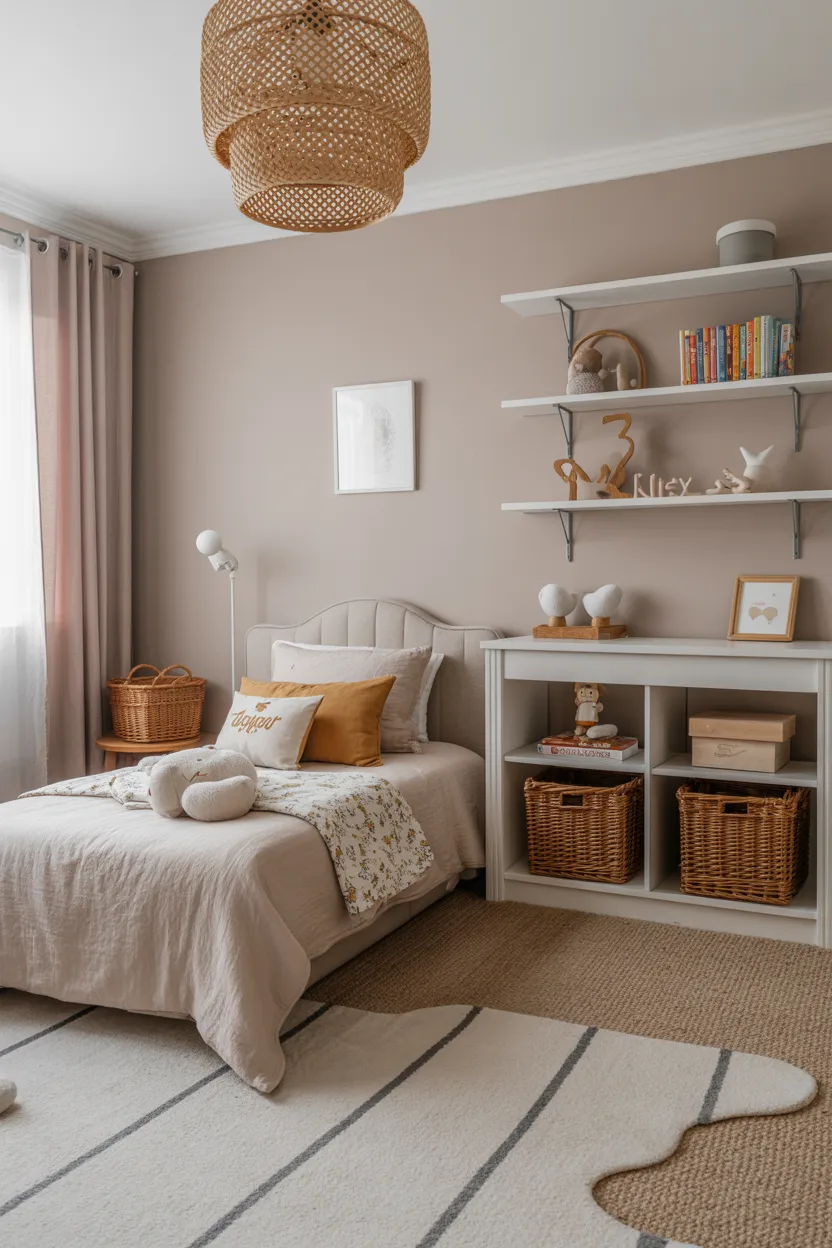
Soft taupe gives a room a grounded, comforting look. It works like a gentle neutral, but it carries more depth than plain beige. That makes it ideal for bedrooms where you want calm walls and more freedom with decor.
Taupe works with everything from pastel bedding to brighter accents. It keeps the room feeling stable, which helps a lot in spaces full of toys, patterns, and constant kid movement. It quietly holds the room together.
I recommend soft taupe if you want a room that feels timeless and easy to update. You can swap out themes and accessories later without needing to repaint. That is always a win in my book.
Also Read: 22 Rustic Living Room Ideas for Small Spaces That Feel Cozy
10. Seafoam Green
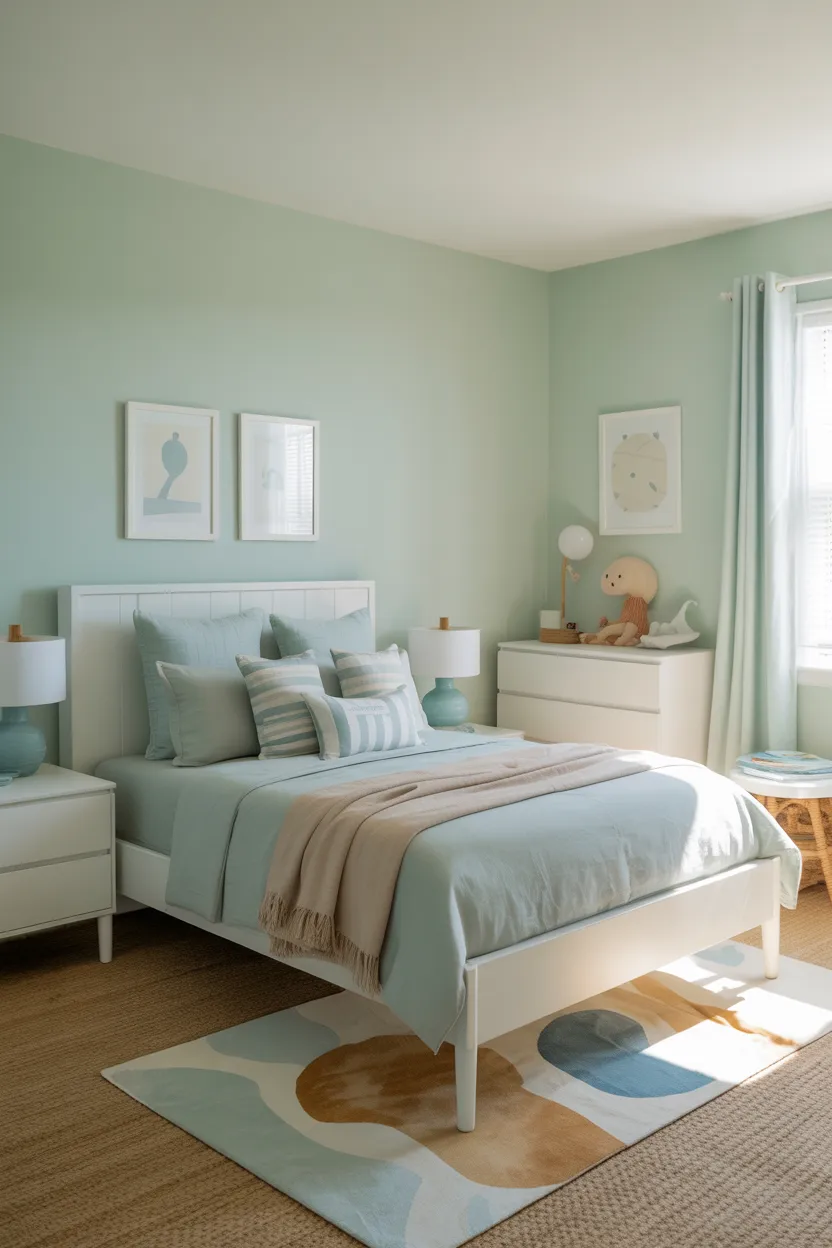
Seafoam green feels breezy, fresh, and light. It brings in color, but it still stays soft and sleep friendly. I think this shade works really well for kids because it feels cheerful without becoming overstimulating.
It looks lovely with white furniture, sandy beige accents, pale blue details, and natural woven textures. The room ends up feeling bright and relaxed, almost like a little calm retreat. That sounds dramatic, but you really can feel the difference.
Seafoam also gives the room personality without locking you into a theme. You can go coastal, modern, playful, or simple. The color stays flexible.
11. Blush Beige
Blush beige mixes the softness of pink with the subtle warmth of beige. The result feels gentle, cozy, and easy on the eyes. It works really well in bedrooms where you want a little sweetness but not a full candy-shop look.
I like blush beige because it feels calm first and pretty second. That order matters in a room meant for sleep. Pair it with cream bedding, pale wood, soft textures, and a few muted decor touches, and the room feels lovely.
This shade also grows nicely with a child. It does not scream one age group, so it tends to last longer than trendier colors. That makes it practical and pretty, which is a nice combo.
Also Read: 24 Kitchen Backsplash Ideas That Instantly Look High End
12. Misty Mint
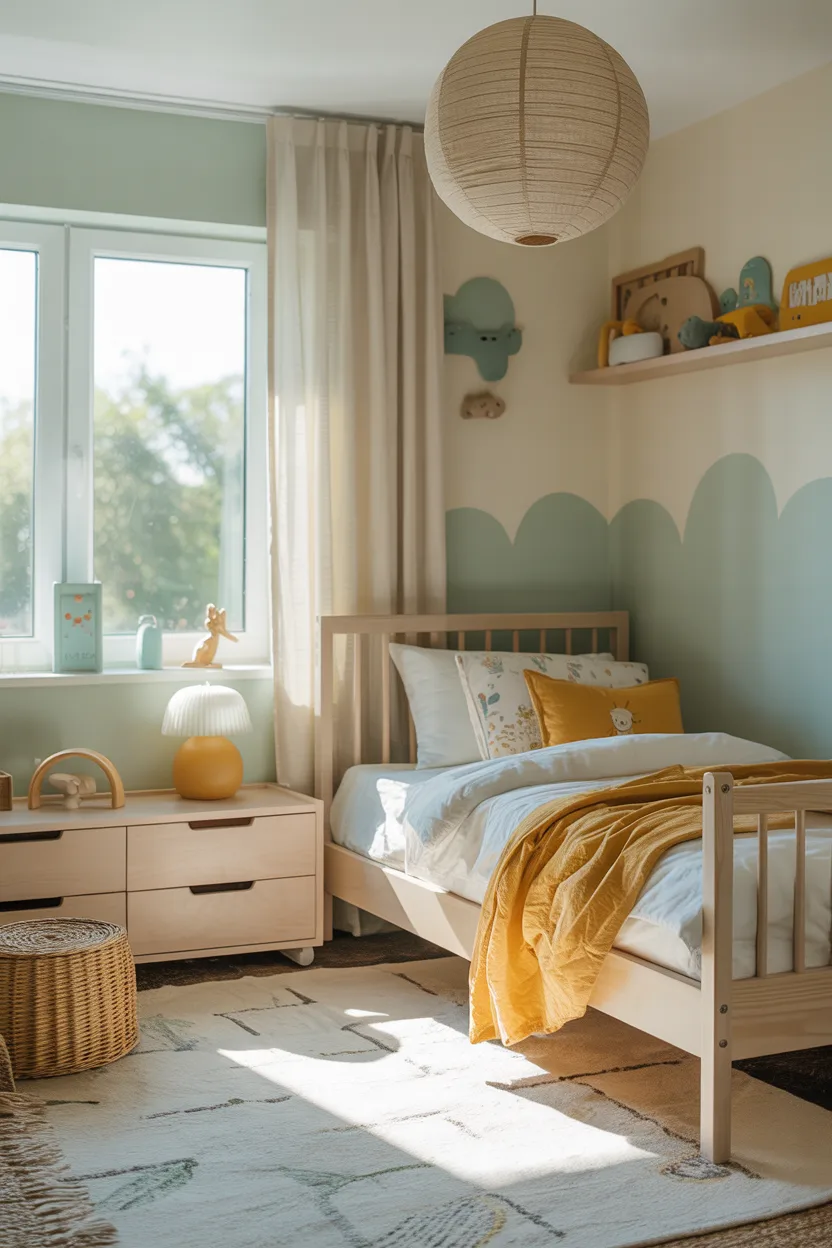
Misty mint feels fresh, light, and playful in a quiet way. It gives the room a little color without making it feel too busy. That soft balance makes it a strong pick for kid friendly bedrooms.
I would pair misty mint with cream, soft yellow accents, pale wood, and simple bedding. The room feels bright and clean, but it still keeps a cozy edge. FYI, softer mint shades always work better in bedrooms than the louder candy versions.
This color also suits both small and larger rooms. It reflects light nicely, which helps the space feel open. That can make a big difference in compact bedrooms.
13. Light Mushroom
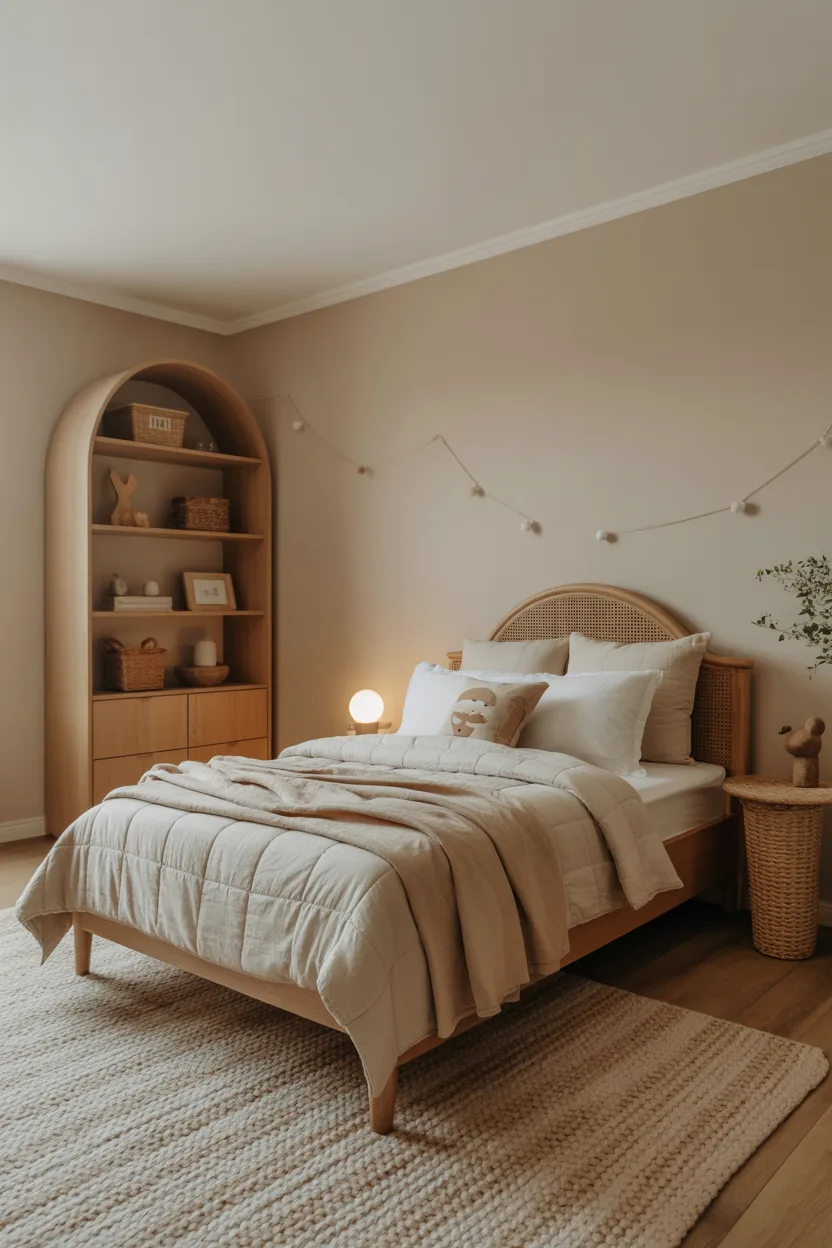
Light mushroom tones feel earthy, soft, and surprisingly comforting. They sit somewhere between gray, beige, and taupe, which gives them a relaxed and flexible look. If you want a bedroom color that feels calm and a little elevated, this one deserves a serious look.
I like light mushroom with off white bedding, natural wood furniture, woven textures, and warm lighting. The room ends up feeling cozy without looking dark. It has depth, but it still feels light enough for a child’s bedroom.
This color also hides everyday wear a little better than brighter shades. In a room where crayons, fingerprints, and mystery smudges somehow appear from nowhere, that does not hurt.
Also Read: 21 Pastel Pink and White Bedroom Decor Ideas That Feel Dreamy
14. Muted Aqua
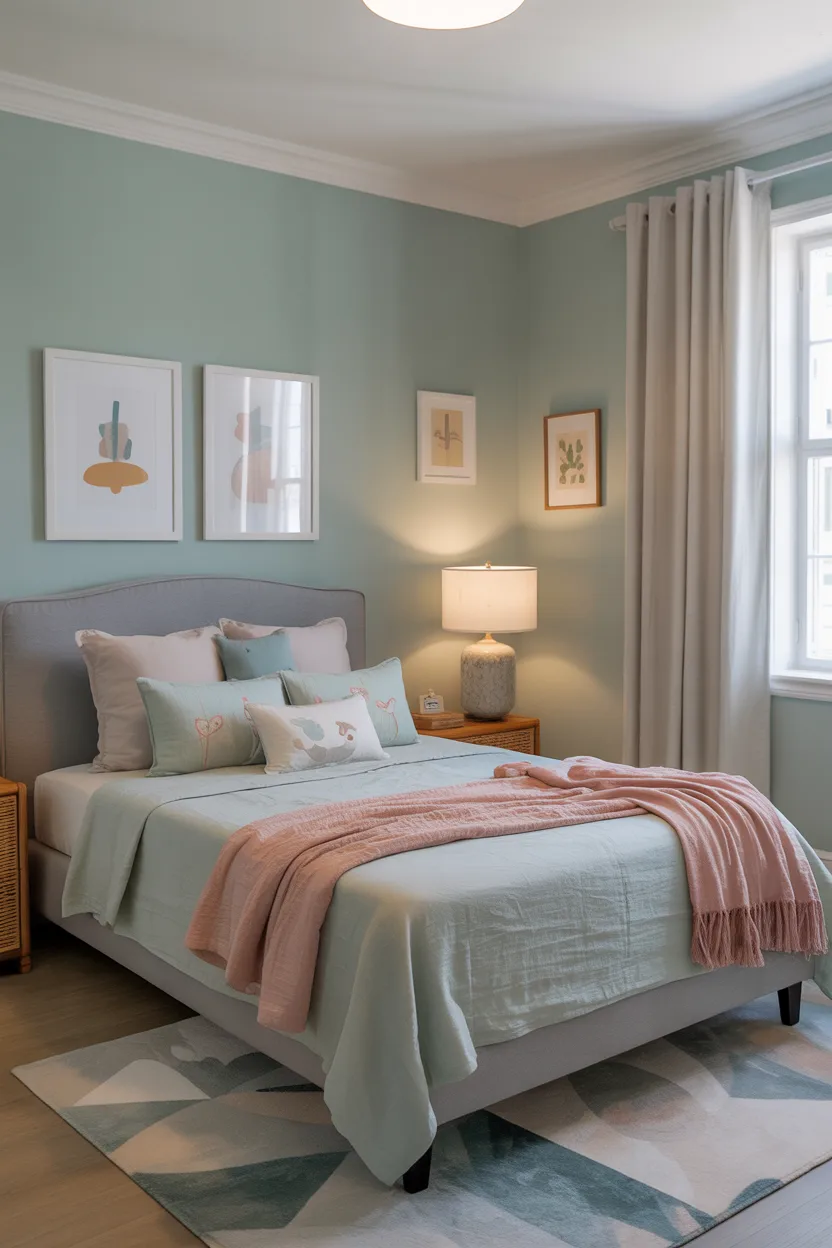
Muted aqua mixes blue and green into one soft, cheerful shade. It feels refreshing, but it still keeps a calm mood. That is why I prefer it over brighter turquoise in sleep spaces.
Brighter aqua tones can feel too energetic for bedtime. Muted aqua tones things down and make the room feel more relaxed. You still get the playful color, but you avoid the look of a water park poster on your wall.
I love this shade with white trim, pale bedding, simple art, and soft textured curtains. The room feels youthful and fun while still supporting quiet evenings.
15. Buttercream Yellow
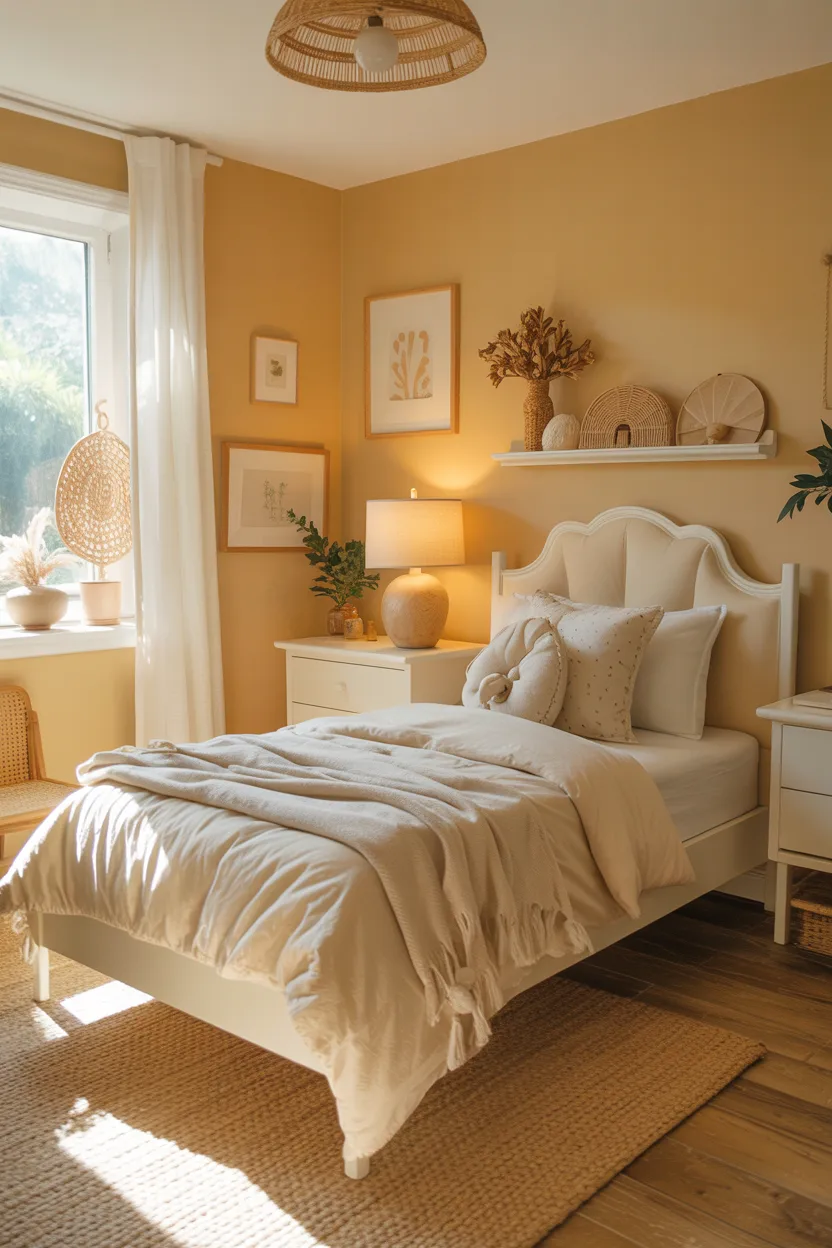
Yellow in a bedroom can go very wrong very fast. One bad shade and the walls start yelling. But buttercream yellow feels soft, warm, and comforting instead of loud. That makes it one of the few yellows I genuinely love for bedrooms.
This color works really well in darker rooms because it brings in warmth and light without becoming harsh. Pair it with white furniture, creamy bedding, and natural wood for a soft, sunny look that still feels sleep friendly.
I think buttercream yellow creates a gentle sense of happiness. It lifts the room without making it feel chaotic. That is exactly the kind of energy a bedtime space needs.
Also Read: 21 Bedroom Shelving Ideas That Look Neat and Pretty
16. Dusty Blue
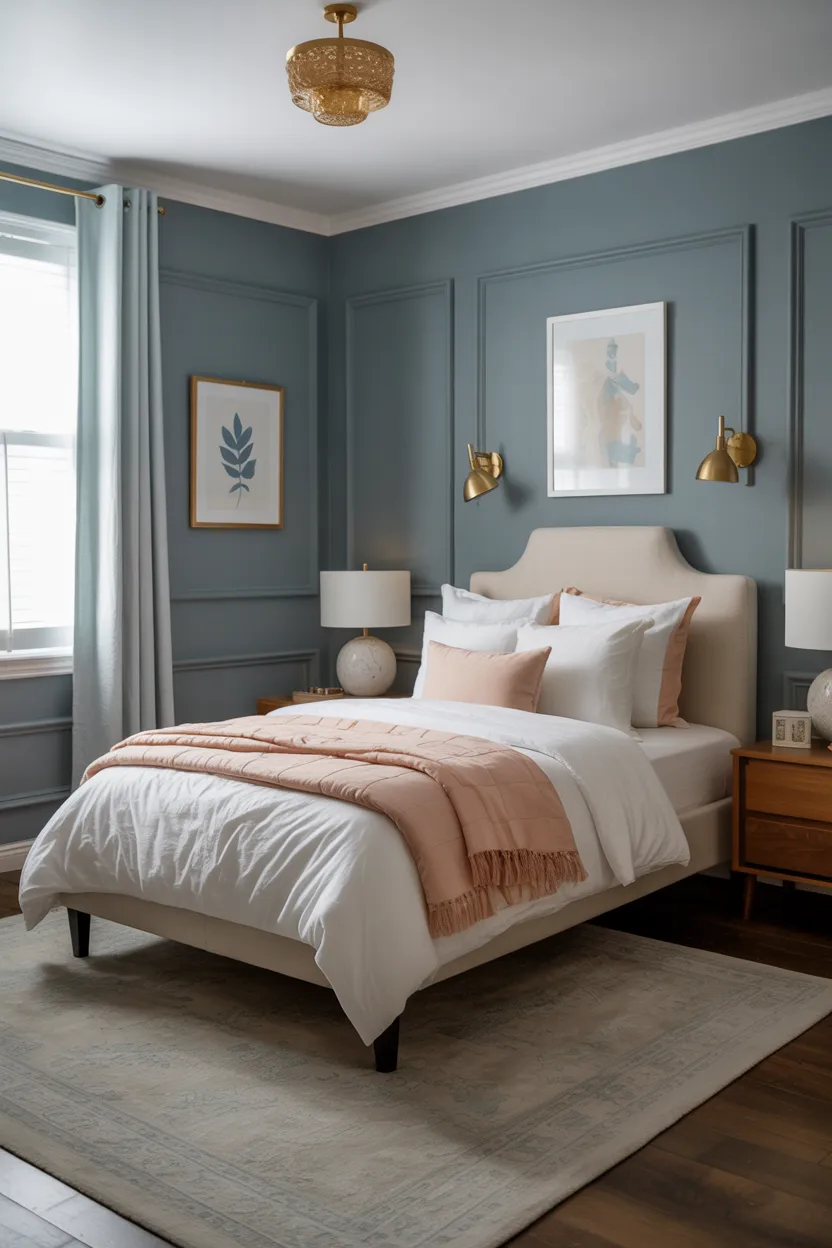
Dusty blue feels calm, cozy, and slightly richer than sky blue. It adds depth to a room, which can make the bedroom feel more settled and restful. If you want a color that feels peaceful but not too pale, dusty blue works beautifully.
I like it with white bedding, soft gray accents, warm brass details, and maybe a knit throw or two. The room feels layered and comfortable. It has enough color to look interesting, but it still feels gentle.
This shade also works for many ages, which gives it long term value. That matters when you want a room that can evolve without a full makeover every year.
17. Soft Coral Beige
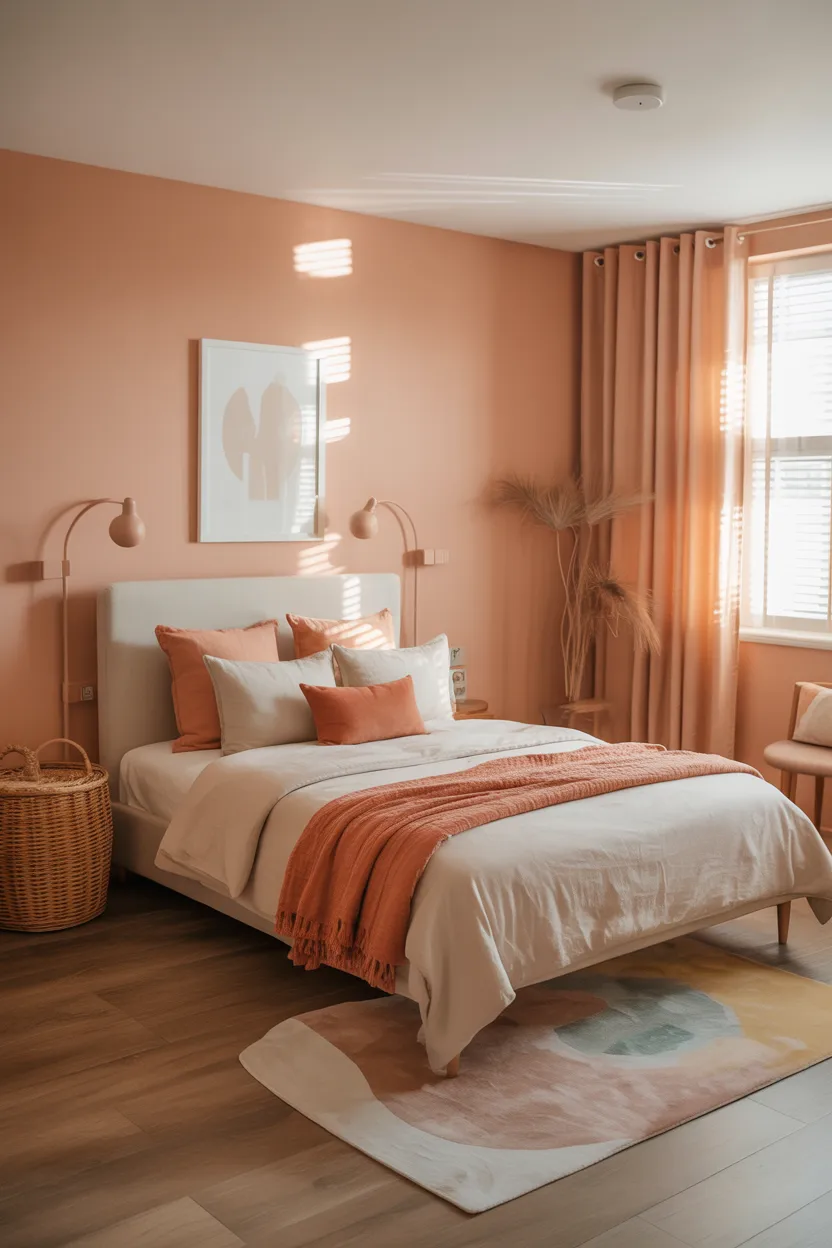
Soft coral beige brings a warm, rosy glow to a room while staying soft enough for sleep. It feels friendly and comforting, which makes it a lovely choice for a kid’s bedroom.
This color works best when you keep the rest of the room fairly simple. Use neutral bedding, pale rugs, and understated decor so the walls can add warmth without overwhelming the space. The room ends up feeling cozy and softly cheerful.
I like this shade because it feels different from standard pink or beige. It has a little personality, but it still knows how to behave. We appreciate that.
Also Read: 21 Pastel Pink and White Bedroom Decor Ideas That Feel Dreamy
18. Gentle Periwinkle
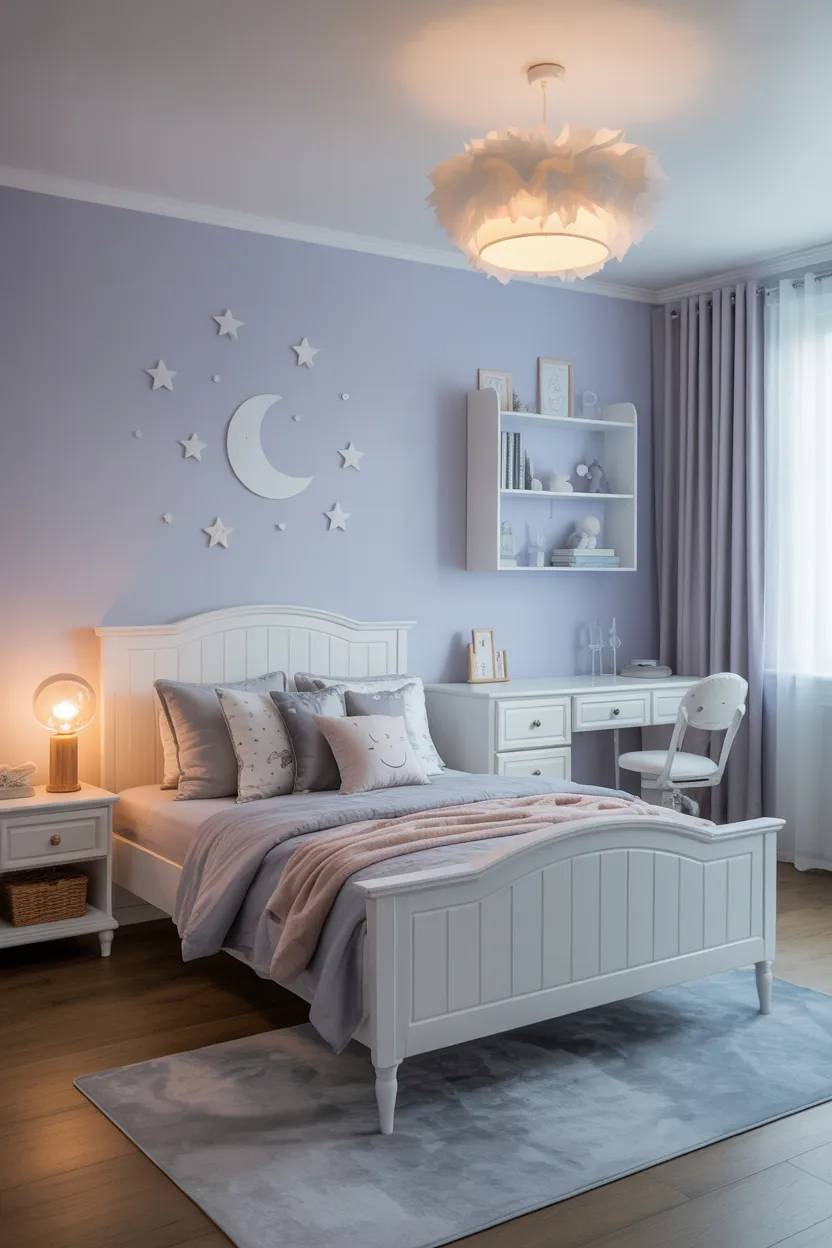
Gentle periwinkle blends blue and purple into a soft, magical looking shade. It feels dreamy and a little whimsical, but it still keeps a calm, bedtime friendly mood. That makes it perfect for kids who love a room with a bit of imagination.
I would pair periwinkle with crisp white furniture, pale gray bedding, and soft textures like plush rugs or cotton curtains. The room starts to feel airy, calm, and slightly enchanted without becoming overly themed.
This shade works especially well when you want a room that feels sweet but not overly pink or overly blue. It lands right in that charming middle zone.
19. Soft Olive
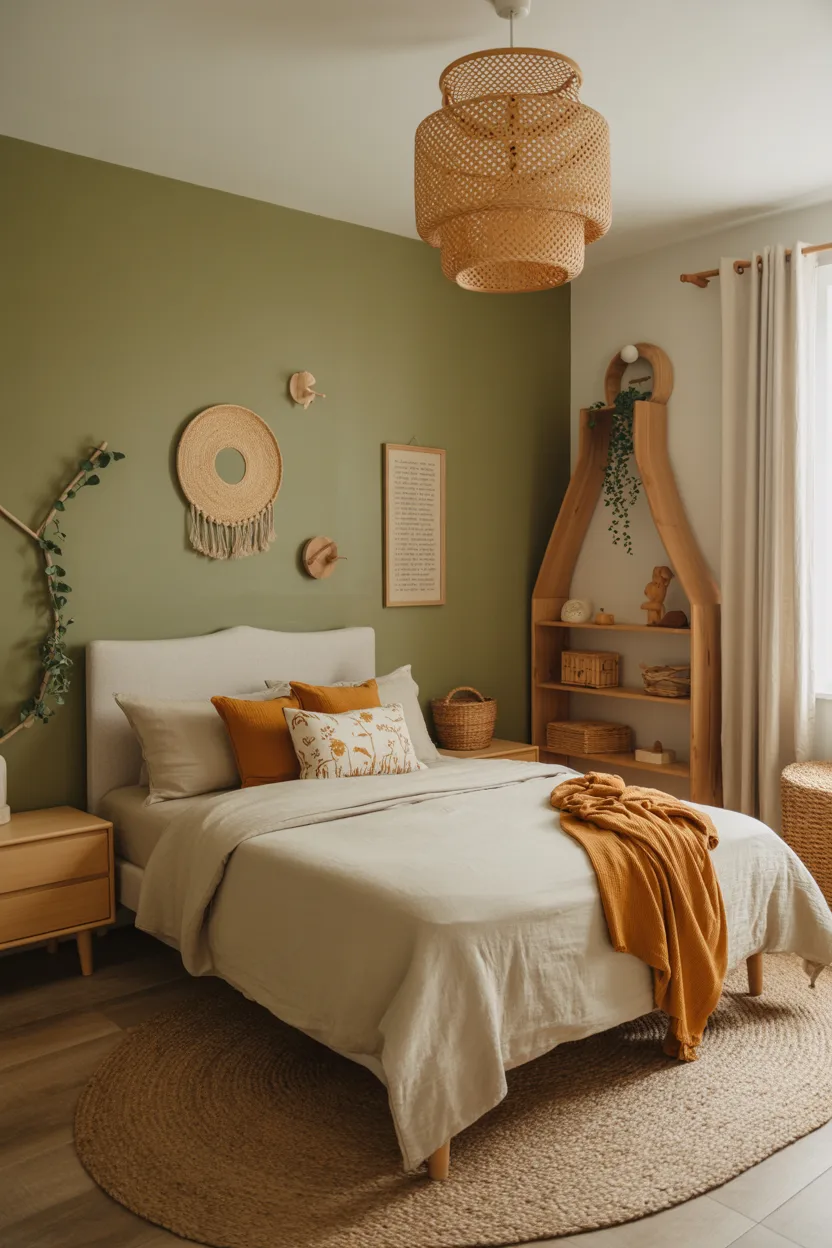
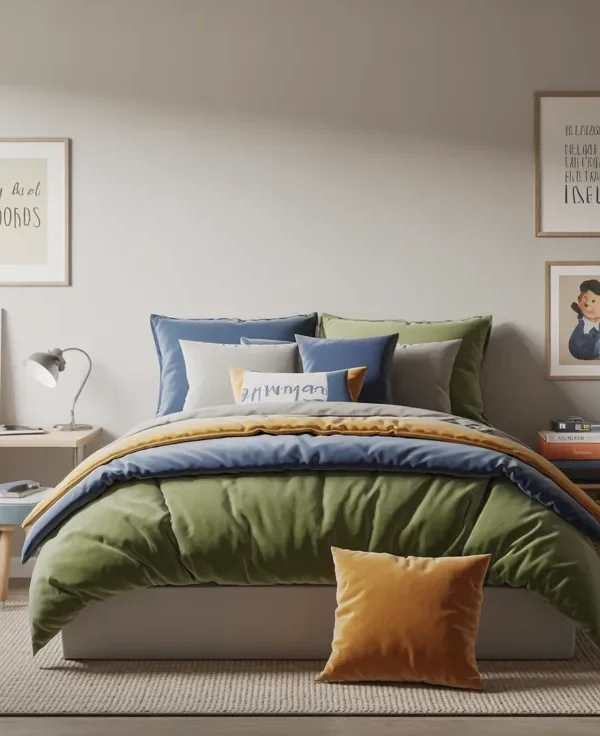
Soft olive may not be the first color people think of for a kid’s room, but it works really well. It feels earthy, grounded, and calm, which makes it excellent for a restful bedroom.
I love soft olive with cream bedding, wood furniture, tan storage baskets, and a few nature inspired accents. It creates a warm, balanced look that feels relaxing and a little unique. The room stands out quietly, which I always appreciate.
If you want something different from typical pastels but still sleep friendly, soft olive is worth considering. It has personality without making the room feel busy.
20. Cool Sand
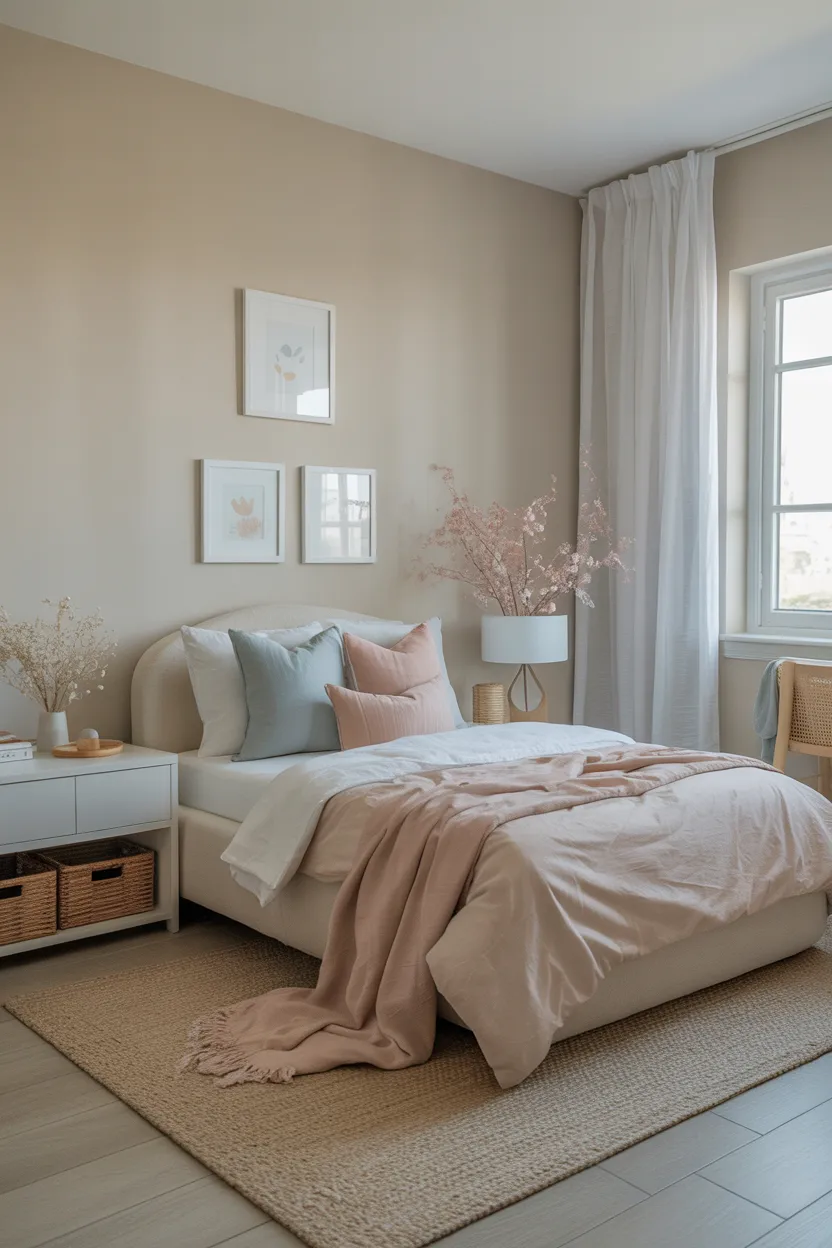
Cool sand gives a bedroom a clean, airy, and comfortable look. It sits in that soft neutral range that works with almost any style. That flexibility makes it a strong option for kids rooms.
This color looks great with white, pale blue, blush, sage, or even warmer terracotta accents. It gives you a calm base that plays nicely with almost everything. So if you like switching decor around, cool sand makes your life easier.
I also think it helps the room feel uncluttered. That can make a small bedroom look calmer, which often helps the whole bedtime routine feel less frantic.
21. Faded Denim Blue
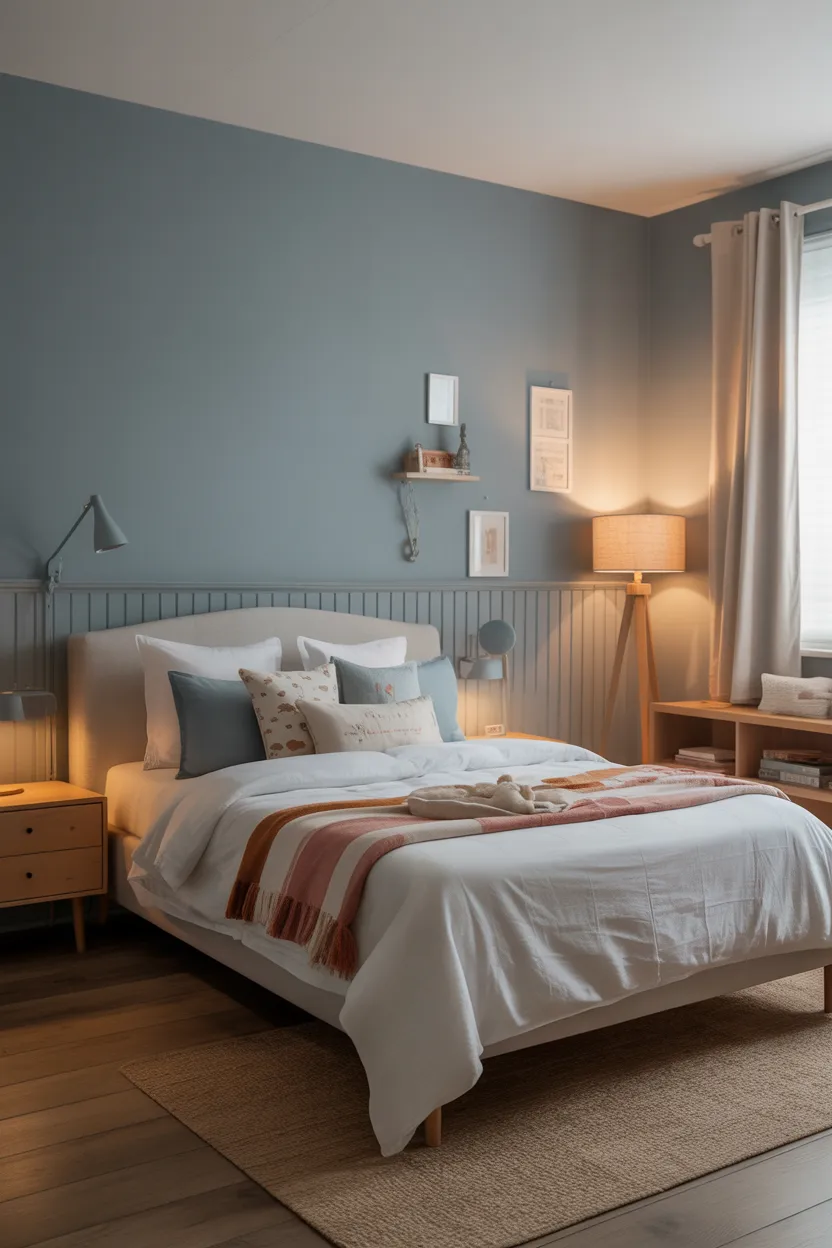
Faded denim blue gives a bedroom a casual, relaxed feel. It looks familiar and cozy, almost like your favorite worn-in fabric, but on the walls. That quality makes it feel very comfortable in a kid’s room.
This shade works well with white bedding, pale wood, simple black accents, and a few soft patterned textiles. It creates a room that feels approachable and calm without looking plain. I think it suits kids who want a room that feels cool but not flashy.
It also hides little marks better than super pale colors, which parents may find oddly thrilling. Tiny victories count.
22. Soft Mauve
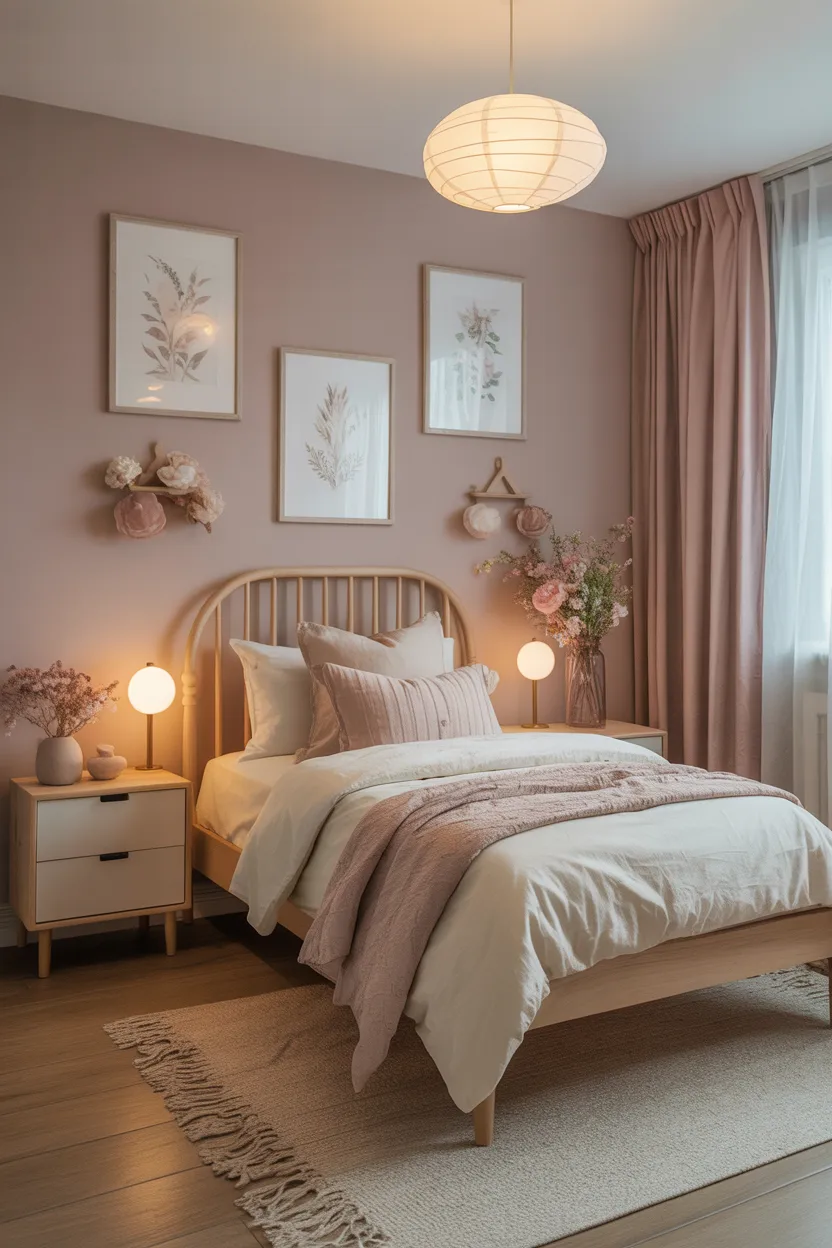
Soft mauve offers warmth, softness, and just enough color to make the room feel special. It blends pink, purple, and gray in a way that feels subtle and restful. That balance makes it a lovely bedroom choice.
I like mauve with cream bedding, light wood furniture, soft gold accents, and muted floral or simple abstract art. The room feels calm and pretty without going overboard. It has style, but it does not feel fussy.
This shade also works across a wide age range. It can feel sweet for younger kids and still stylish for older ones. That kind of staying power makes decorating easier.
23. Pale Blue Green
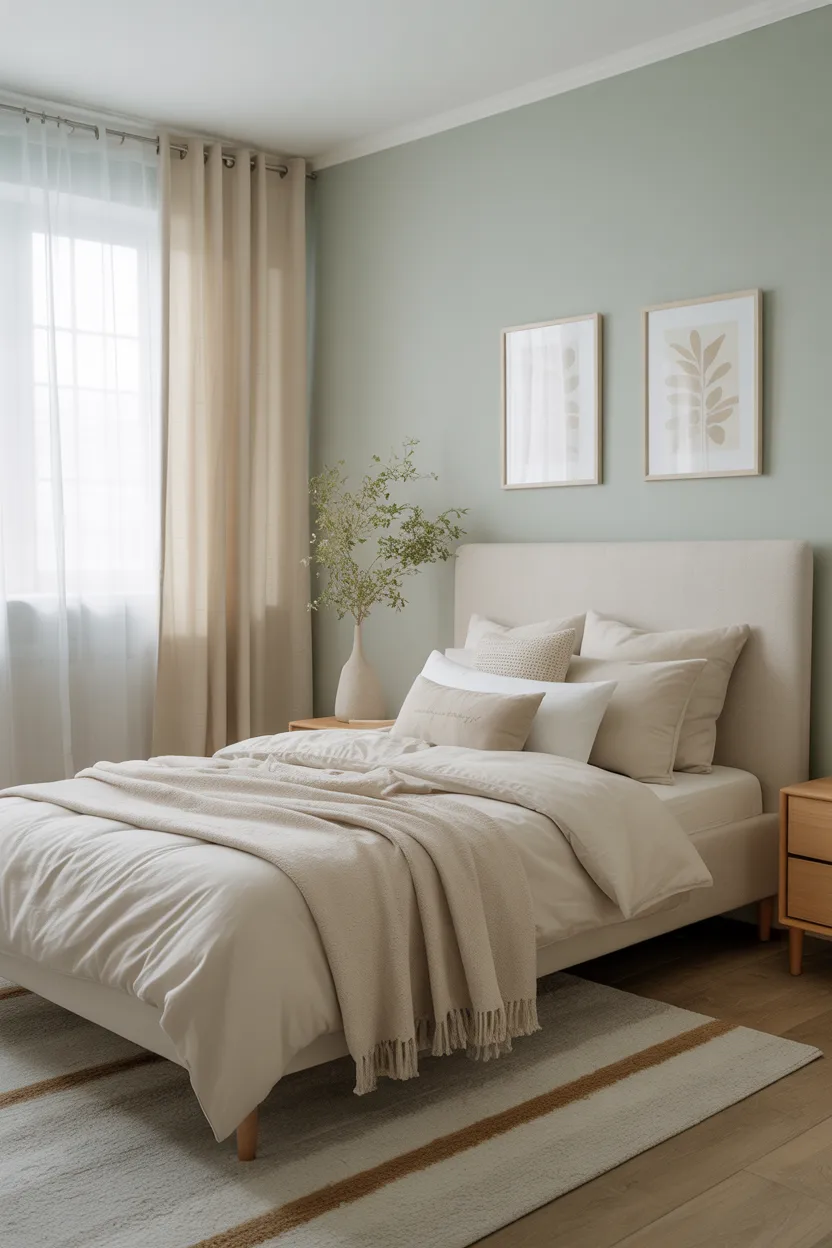
Pale blue green creates one of the most peaceful bedroom moods on this list. It feels airy, fresh, and balanced, which makes it ideal for restful nights. If you want a room that looks calm the second you walk in, this color does that.
I love it with white curtains, cream bedding, light wood, and a few cozy textures. The room feels soft and finished without needing a lot of extra effort. It is one of those shades that simply makes everything around it look more peaceful.
This is also a great option for a gender neutral bedroom. It feels versatile, gentle, and easy to decorate, which gives you plenty of freedom.
Tips for Making Any Bedroom Color Feel More Restful
Even the best paint color cannot do all the work alone. The full room setup matters too. You can pick the calmest color on earth, but if the room has harsh lighting, piles of clutter, and bedding covered in ten wild patterns, the peaceful vibe may not fully arrive.
Here are a few simple ways to make your chosen color work better:
- Use warm, soft lighting instead of bright white bulbs
- Choose calming bedding colors that support the wall shade
- Keep wall decor balanced and not overly busy
- Add cozy textures like cotton, knits, and woven baskets
- Use storage to reduce visual clutter
- Bring in natural materials like wood and rattan
- Limit very bright accents near the bed
These small details really matter. Together, they make the room feel calmer and more comfortable.
Bedroom Colors to Use Carefully
Some colors look fun in theory but feel too intense in a sleep space. That does not mean you can never use them. It just means I would avoid making them the main wall color if restful nights are the goal.
Use these shades more carefully:
- Bright red
- Neon green
- Sharp orange
- Hot pink
- Electric yellow
These colors can work in artwork, pillows, toy bins, or small accents. As full wall colors, though, they often feel too stimulating. And kids rarely need help finding extra energy at bedtime, right? 🙂
Final Thoughts
The best kid friendly bedroom colors strike a smart balance. They feel fun enough for childhood and calm enough for sleep. That balance matters because a bedroom should support rest, comfort, and a little personality too.
From soft sky blue and pale sage green to buttercream yellow, dusty rose, and pale blue green, these colors can help you create a room that feels peaceful without looking dull. You do not need the loudest shade in the paint aisle to make a kid’s room feel special. You just need a color that feels good, works with the room, and helps bedtime feel a little less like a dramatic performance.
Pick a few favorites, test them in real light, and trust your eyes. When the room feels calm, cozy, and welcoming, you will know you got it right.